

The ‘New Paradigm’ of Missions is the Future of Great Commission Work
New study suggests traditional missions organizations will need to adapt to remain viable


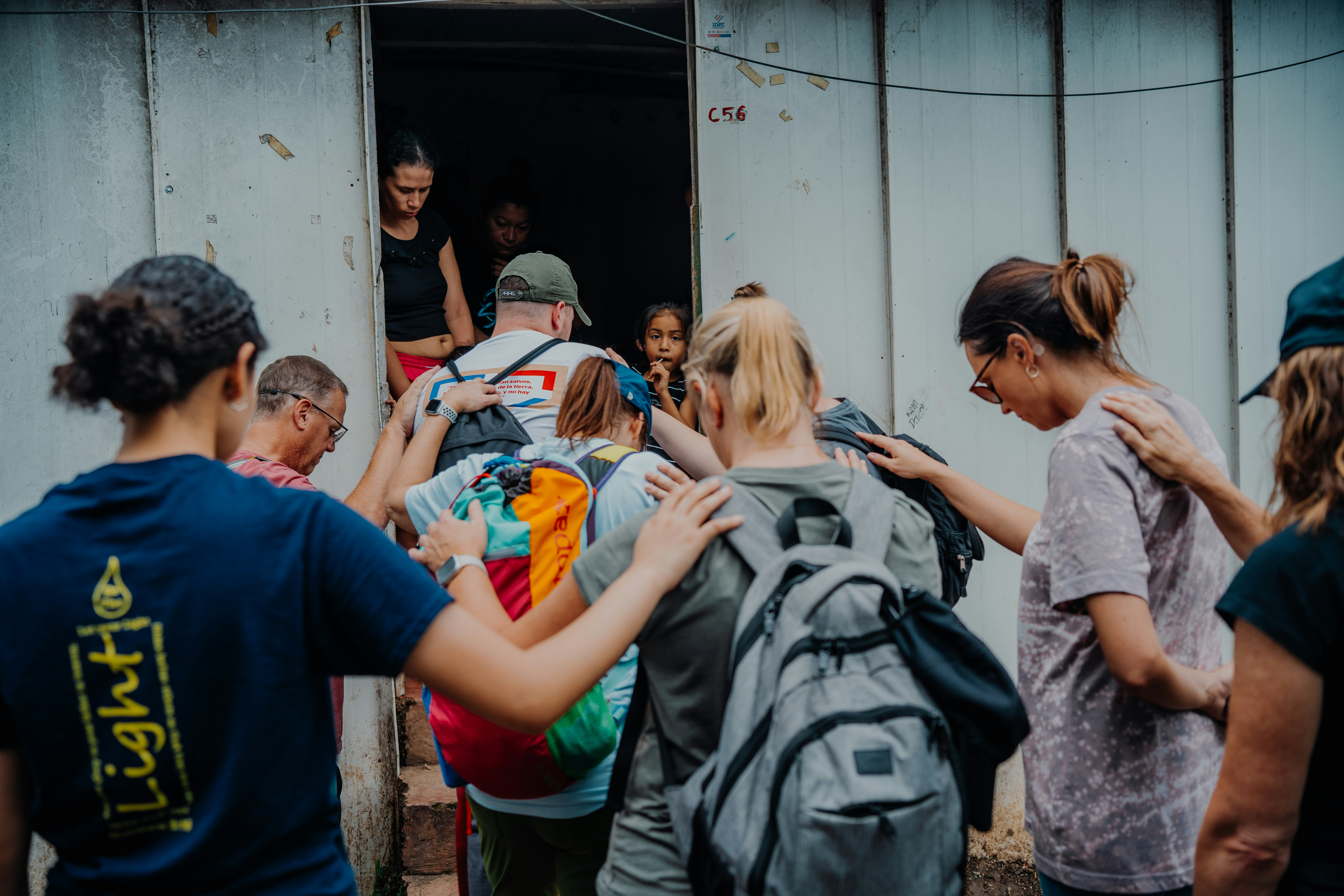
MinistryWatch has long been a proponent of what some call the “New Paradigm” of missions. This New Paradigm has several components, but at its core is the notion that well-trained indigenous missionaries are better positioned to evangelize their neighbors than American missionaries who come from thousands of miles away with little knowledge of the language or culture of the people they hope to evangelize.

Photo by Seth Doyle / Unsplash
This New Paradigm is catching on. In 2024, our reporter Kim Roberts wrote about New Hope Community Church in Traverse City, Michigan. Since its founding in 1990, the church has taken a posture of generosity for missions work by embracing the new paradigm of “indigenous church planters doing the work of Gospel advancement” in their homelands.
“Indigenous leaders are far better equipped and more capable of reaching the global community than people from the West,” New Hope Pastor Craig Trierweiler told MinistryWatch.
“Western missionaries are constantly met with barriers that block their mission. Even though they go with good intent, they are often prevented from doing their work because of language or cultural issues and are extremely expensive to support in comparison with their indigenous counterparts,” Trierweiler wrote in an article titled “An Effective Strategy to Fund World Missions.”
We have also profiled organizations dedicated to the New Paradigm. For example, Global Assist serves native church planters and disciple-making ministries as a consultant and executive coach to ensure the world is reached for Christ.
“We have seen a growth of humanity from two billion in 1927 to a record-breaking eight billion as of November 15, 2022. In light of this explosion, the ‘missionary model’ is being replaced by God with an alternate strategy,” Global Assist founder Dr. Jim Kirchner wrote in an article about the New Paradigm of missions.
“It appears that God has and is calling native/national catalytic leaders in countries to reach their own people with the gospel. In the last 25 years over 2,000 native led church planting/disciple making movements have come into existence. This is a paradigm shift.”
Another organization pioneering the New Paradigm of missions is The Timothy Initiative. CEO Jared Nelms told me that we cannot ignore the Bible’s command to “go into all the world.” But he also said that hundreds of years of missionary efforts have born fruit. There are Christian churches in every nation on earth. The 21st century will be more about training and supporting indigenous efforts.
A new study suggests that if Christian missions organizations want to stay relevant in the 21st century, they must adopt this New Paradigm.
The Institute for Great Commission Research (IGCR) at California Baptist University recently released “Missional Imagination: How the Next Generation Understands Missions.” Among the “top line” findings of this landmark study is this: “Supporting local Christians in their context is seen as the most trusted model of missions.”
The study continued, “This preference reflects a strong concern for cultural legitimacy, partnership, and long-term witness, and signals a shift away from models centered on external control, short-term intervention, or visibility.”
The IGCR study surveyed more than 2,500 young adults, ages 18 to 30, who identify as Christians, attend a Protestant Church at least once a month, and who also participate in other church activities, such as a small group, Bible study, or service team. It found that these so-called Gen Z Christians still affirm the necessity of missions. About 80% of respondents said mission work is important, and more than 75% said it is a “top priority” or a “high priority.”
“Young adults broadly affirm the importance of Christian mission and the ongoing relevance of The Great Commission,” the study concluded. “What is changing is not commitment, but the form of participation that feels faithful.”
These findings have obvious implications for missions organizations. Traditional missions organizations, those who recruit Americans for the mission field, will have an increasingly challenging time finding financial support as older donors, those raised on the Old Paradigm, die out and are replaced by those who embrace the New Paradigm. New Paradigm missions organizations are already replacing the old. The Timothy Initiative, for example, has seen its annual revenue more than double in the last five years, to about $22 million. Global Assist has grown by nearly 50% in the past three years.
It can be challenging to get American evangelical churches to switch from the traditional missionary model to a new mindset of supporting native leaders, Global Assist’s Jim Kirchner said. However, he believes it is the only effective way to reach the world’s population. And it is dramatically more cost efficient.
“We don’t think churches should stop what they are doing [supporting Western missionaries], but let’s not create new ones,” he added.
For most Christians in the United States, that challenge is difficult to hear, but if the new IGCR study is right, it is a challenge we must meet if American missionary efforts are to stay relevant in the 21st century.
EDITOR’S NOTE: To see MinistryWatch’s new list of the largest missions organizations in the country, click here.
Access to MinistryWatch content is free. However, we hope you will support our work with your prayers and financial gifts. To make a donation, click here.