
Skeptical and Grounded: Gen Z Brings New Paradigm to Traditional Missions
Why Gen Z isn’t settling for spin

InterVarsity and Arbor Research Group held online focus groups with 54 Gen Z young adults across the U.S. to understand how they think about Christian missions. The qualitative analysis, featuring quotes and anecdotes from Gen Z participants, found that this generation defines missions as long-term, community-based work that equips local leaders to sustain change after missionaries leave. They value continuity and see short-term trips as valuable if they support long-term missionaries and fit into the larger picture.
Gen Z is discerning and hard to fool. “What they shy away from is anything that smacks of marketing or selling,” says Greg Jao, director of external relations at InterVarsity, a nationwide campus fellowship network. “With unmatched access to social media, press, and public opinion, this generation sees through spin and values authenticity. Real stories and honest dialogue build trust.”
Gen Z expects transparency from the start, wanting clear, upfront information about an organization’s challenges, finances, and results. “Mission agencies should be prepared to talk honestly about their failures and frustrations in missions,” Jao says. “Gen Z respects transparency and vulnerability, and they’re aware of the mistakes made in the past from social media and their classes.”
Every focus group confirmed Gen Z’s overarching belief that missions should balance traditional evangelism with tangible resources like food, water, education, disaster relief, and medical aid. “As they consider missions engagement, they’re doing so with more awareness of global needs and more sophistication about how to do it well than prior generations,” Jao says.
They’re drawn to organizations that treat people as whole “holistic” beings with complex physical, emotional, and spiritual needs. “This applies to the people we’re trying to reach and the missionaries we’re trying to send,” Jao says. “We saw this reflected in our Gen Z research about missions, how Gen Z has a holistic view of both caring for the physical and spiritual needs in tandem.”
Access to MinistryWatch content is free. However, we hope you will support our work with your prayers and financial gifts. To make a donation, click here.
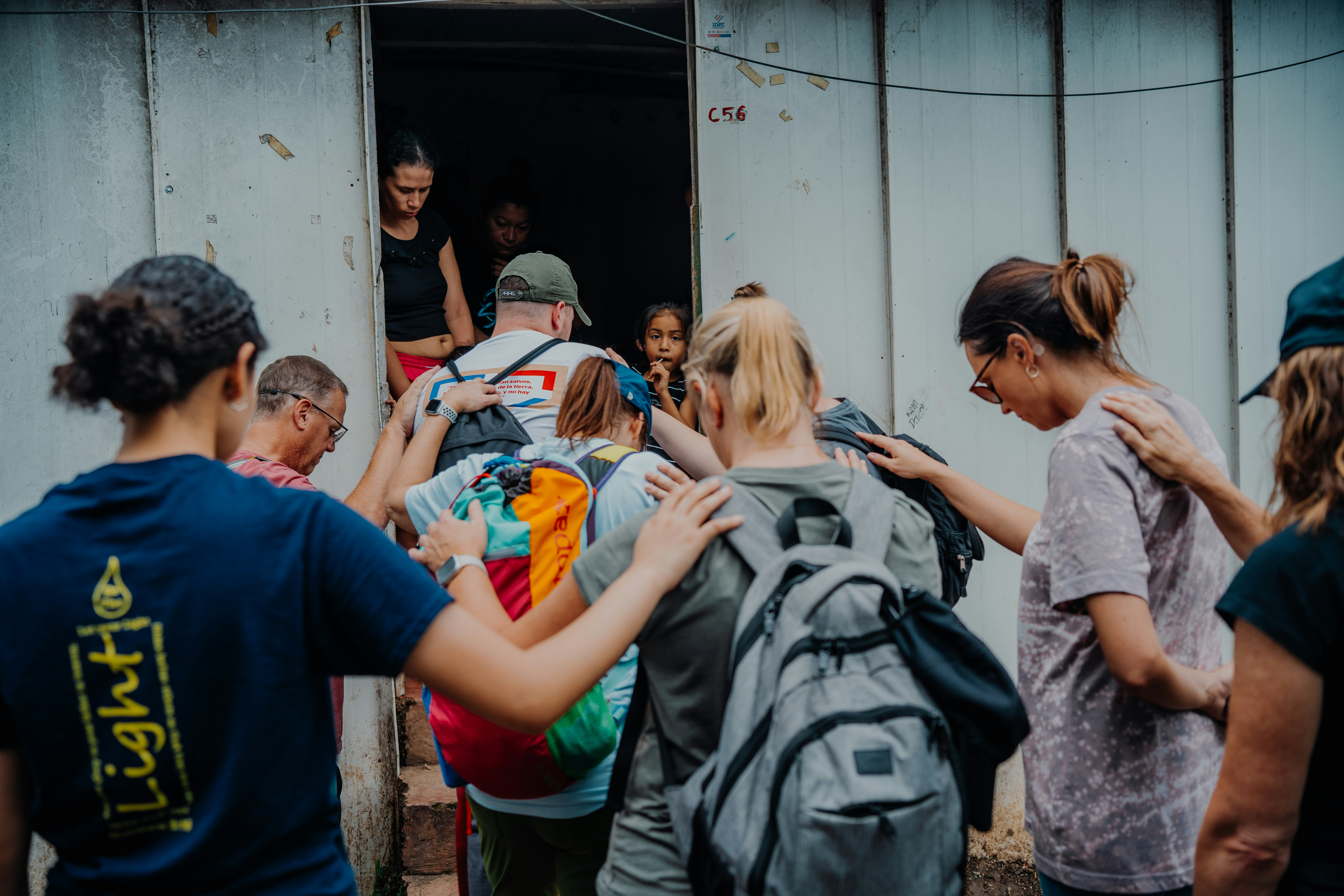
Another consistent theme was cultural sensitivity: respecting local customs and avoiding the imposition of Western culture. When considering cross-cultural ministries, many respondents said they want missions to emphasize sustainable impact and local independence rather than long-term reliance on outsiders. For Gen Z, an ideal cross-cultural mission includes immersive language learning, local partnerships with local organizations, and teamwork.
Financial transparency matters to Gen Z, with an interest in organizations offering financial aid options or employer partnerships. They also look for opportunities that align with their skill development and career goals, and they value mentorship from experienced workers.
Gen Z likes to be prepared before mission trips, expecting training to cover logistics, organizational structure, conflict resolution, and fundraising strategies. “When Gen Z are discipled well with practical next steps that allow them to share their faith honestly and naturally, they are comfortable being bold and feel less overwhelmed,” Jao says.
The new report mirrors InterVarsity’s earlier survey in 2021, which found Gen Z students were deeply affected by isolation during the pandemic and craving spiritual resources and guidance. The same social needs appear in the missions-focused survey. “They’re not as interested in being lone rangers,” Jao says. “In fact, our research found that 43% emphasized creating genuine community and belonging. This is a generation that wants spiritual and relational depth.”
Jao says it may be too early to tell whether Gen Z is actually participating in missions more or less than past generations, since many are still in school and COVID disrupted early opportunities. Still, he reports strong growth in engagement among InterVarsity’s student programs. Participation in off-campus discipleship missions more than doubled from 2,257 in 2022 to 5,628 in 2025, according to InterVarsity data.
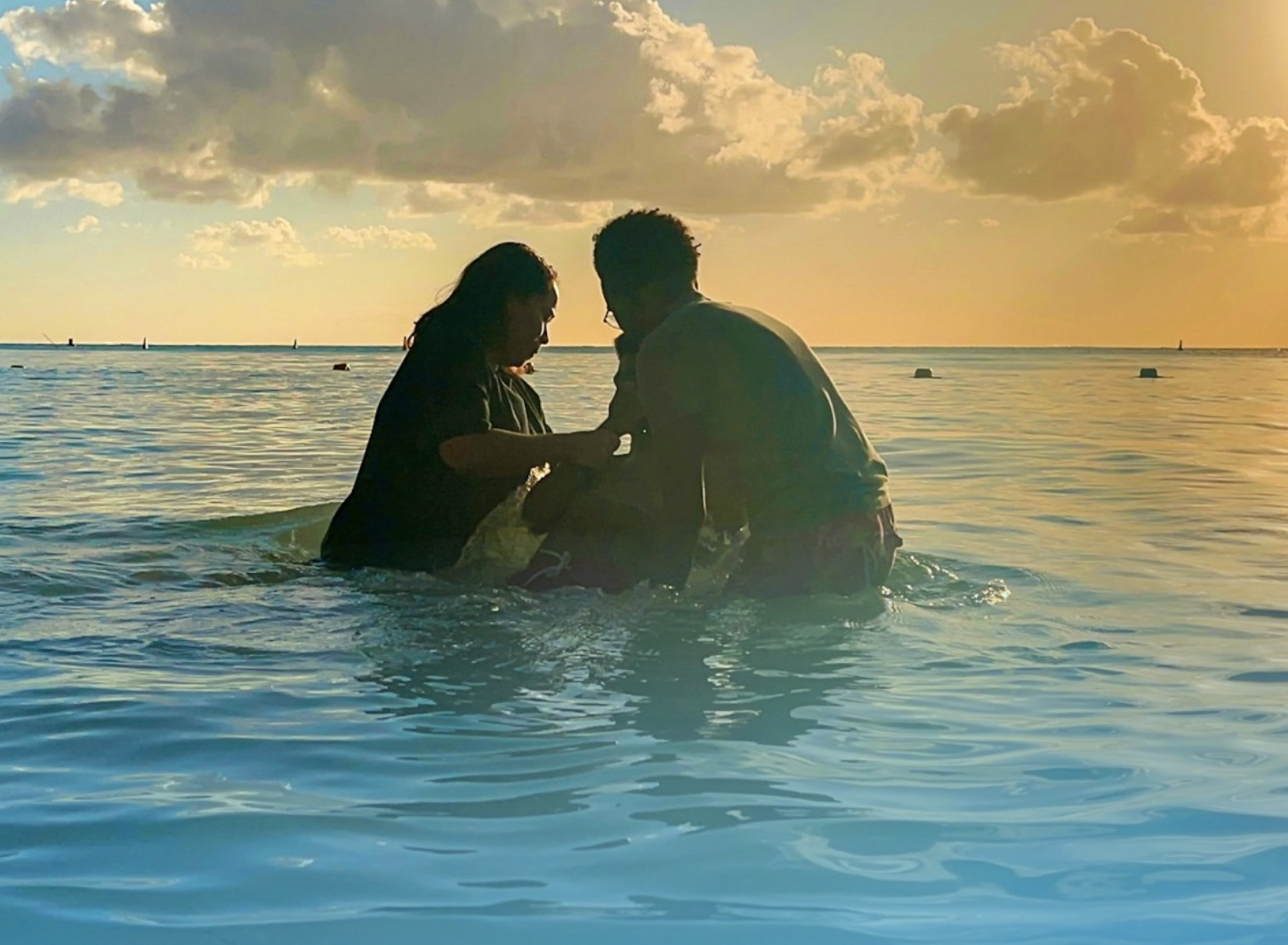
“We are also paying attention to the thousands of students who are engaging in public worship and baptism on so many college campuses around the country,” Jao says. He added that the next edition of InterVarsity’s long-running Urbana conference, now in its 25th iteration and scheduled for December 28-31 in Phoenix, was planned in close coordination with several missions agencies.
TO OUR READERS: The mission of MinistryWatch is to help Christian donors become more faithful stewards of the resources God has entrusted to them. Do you know of a story that will help us fulfill our mission, or do you want to give us feedback about this or any other story? If so, please email us at [email protected].