
Is America Having A Revival?
We should test the spirits and examine the fruit

There’s been a lot of talk about revival lately. 
You’ve probably heard some of it. Some cite sales statistics to make the point. They note that Bible sales are up, some say by more than 40%. Christian app downloads are up 80%. Christian music streams are up 50%.
Others cite attendance at events. A recent women’s rally hosted by Allie Beth Stuckey drew more than 6,000 to an event in Texas. An event called “Communion America,” hosted by New Apostolic Reformation leader Lou Engle last weekend drew thousands to Washington, D.C. This event promoted a “communion table” that it says was more than a mile long. Some point to the Charlie Kirk Memorial as evidence of a spiritual revival. That event had tens of thousands of people attending in person, and millions watching on television. Reaching back a couple of years, we remember the Asbury Revival of 2023, which attracted national attention to Asbury University, where a chapel service turned into a 12-day event.
All this talk of revival got me thinking. What is true revival, what are the signs of true revival, and are we seeing those signs in American life and culture? Doctoral dissertations have been written on these questions, so we can hope to do only so much in just a few hundred words, but I did want to turn to a few people who study American religious life and see what they had to say.
Ryan Burge on Revival
Ryan Burge is a political scientist and former pastor known for his data-driven analyses of American religion. He has written influential books, including The Nones and The Great Dechurching. I’m a subscriber to his Substack Graphs About Religion, which I’ve found endlessly fascinating and often helpful.
His consistent position, based on surveys like the General Social Survey (GSS), Cooperative Election Study (CES), and Pew Research Center data, is that no verifiable revival is occurring.
Instead, he describes a “plateau” in secularization after decades of decline, with religiosity among younger generations stabilizing but remaining low compared to prior cohorts. Burge argues that narratives of revival often rely on cherry-picked anecdotes or misinterpreted metrics. He notes, for example, that even slight upticks in baptisms in some denominations or churches occur in a context of overall membership drops.
He seems particularly skeptical of a Gen Z revival. In July, he wrote that there was “zero convincing evidence” that Gen Z was returning to religion. He said that 38% of Gen Zers never attend church, compared to 31% of Millennials when they were that age.
Barna on Revival
George Barna has tracked U.S. religious trends for decades through initiatives like the State of the Church (in partnership with Gloo) and the American Worldview Inventory.
Barna sees some signs of life, but even its more upbeat tone stops short of declaring a revival.
Its 2024 and 2025 studies indicate limited signs of spiritual renewal and – at best – a slowing in the long-term rate of spiritual decline. Barna studies do caution, however, that merely looking at church attendance statistics won’t give the complete answer to what is going on in American religious life. Barna says any evidence of revival comes not so much from church attendance but from a heightened spiritual openness, especially a “post-pandemic search for meaning.” Barna says many Gen Zers are expressing personal devotion to Jesus while eschewing or even disdaining involvement in church.
What Is True Revival?
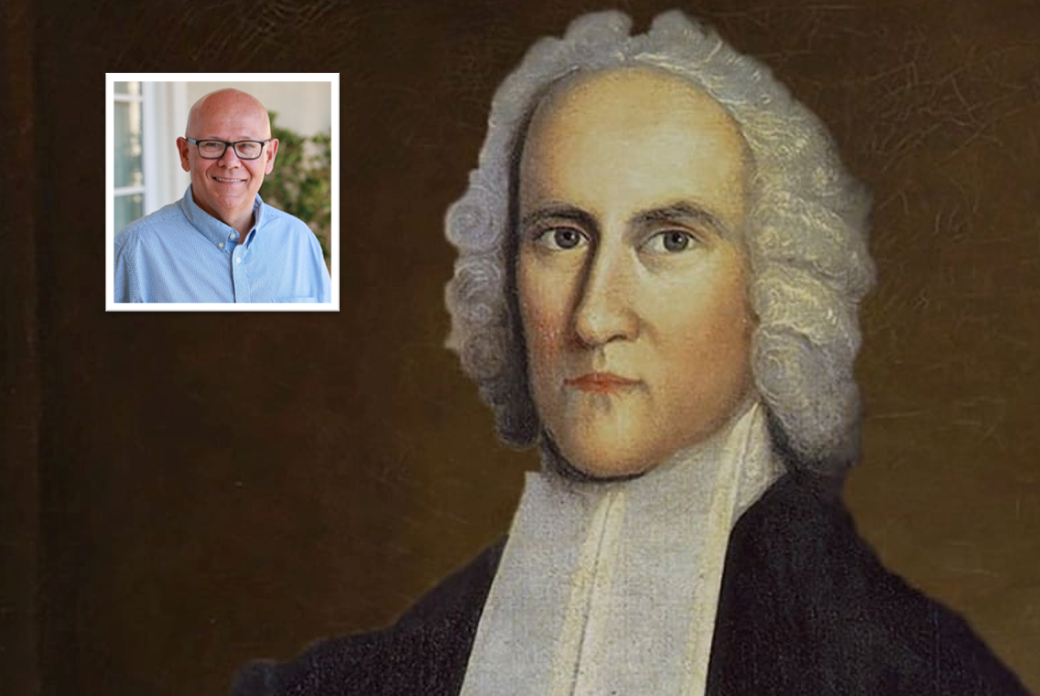
When the First Great Awakening erupted in colonial America in the 1740s, one of the architects of that revival asked some of the same questions we are asking here. Jonathan Edwards wondered, “What are the marks of a true revival?”
He answered this question and others in two documents. A Treatise Concerning Religious Affections (1746) and The Distinguishing Marks of a Work of the Spirit of God (1741). Both of these documents are now available online at no cost. I encourage you to read them for yourself. I will make just a few points about them here.
First, Edwards differentiated genuine outpourings of the Holy Spirit from emotional counterfeits, fanaticism, or human manipulation. He emphasized that true revival is a sovereign work of God, marked by deepened conviction of sin, heightened love for Christ, and transformed lives aligned with Scripture—not mere excitement or numbers.
Secondly, Edwards noted both personal transformation and societal transformation. He noted that bars and taverns closed, crime diminished, and poverty was alleviated in regions that experienced true revival. He also noted that repentance, humility, meekness, and charity flourished.
Where Are We Today?
All Christians should earnestly desire revival. Seeking and working for revival is both a command of scripture and should be the longing of our hearts.
Indeed, I remain hopeful that revival is coming, and it is possible that the statistics I’ve cited here have expired. Some say the death of Charlie Kirk was a precipitating event that hasn’t yet shown up in the data. We’ll see.
People sometimes ask me if we are living in a post-Christian culture. I have sometimes answered “yes” to that question. But I now think the more accurate description of the world we live in is a “pre-Christian” culture. God is in the process of “restoring all things” through His church, and we have the great joy of being a part of that work.
But these are precisely the reasons we should accept no substitute. We should not be seduced by counterfeit revival. We should, with Jonathan Edwards, test the spirits and examine the fruit to determine if the revival many say they see is real.
CORRECTION: An earlier version of this story attributed to The Barna Group research that was done by George Barna. We regret the error.