Pastor Sentenced to 35 Years for Fraud Scheme in Stealing Church Deed
Whitney Foster was found guilty for stealing property rights to three Dallas-area churches.

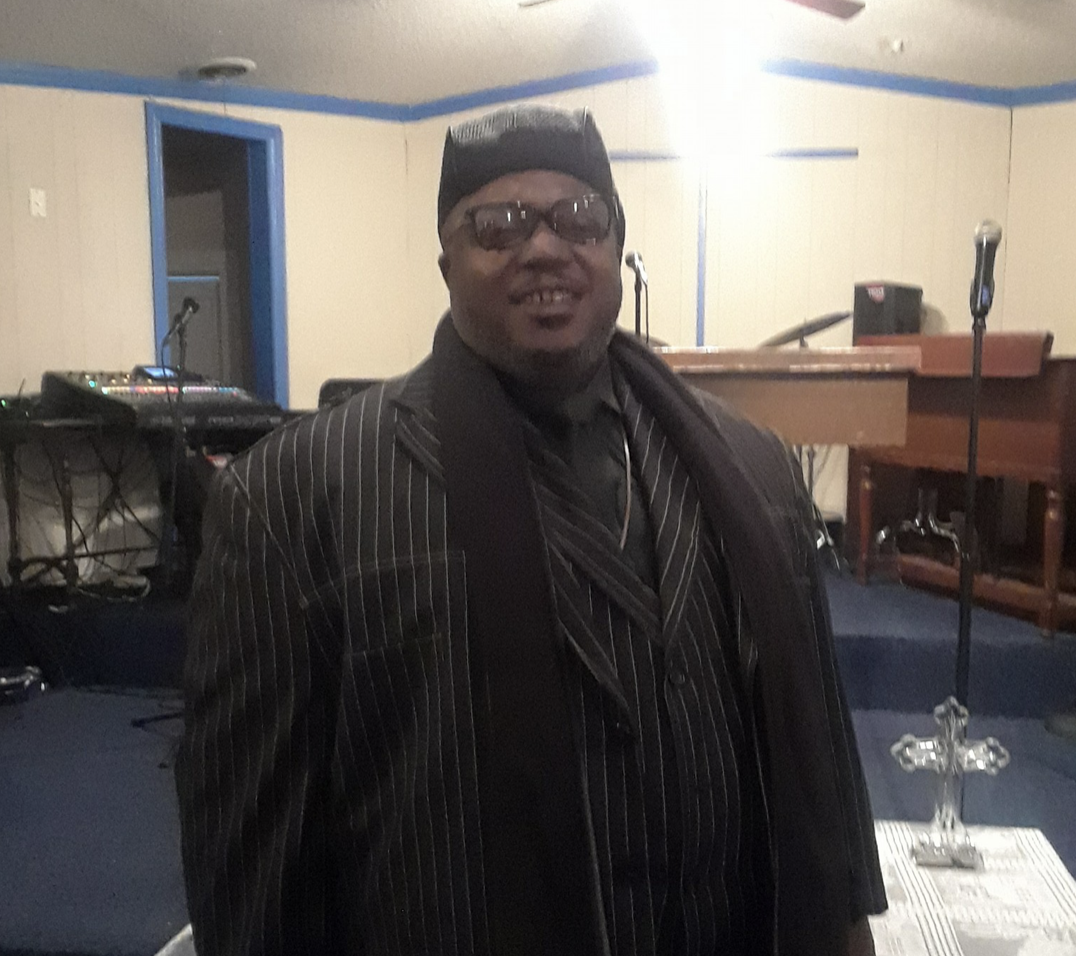
A Dallas pastor has been sentenced to 35 years in prison for stealing the deeds of three churches through a deed fraud scheme.
Whitney Foster from 2017 / Photo via social media
Whitney Foster, pastor of True Foundation Non-denominational Church, was convicted of felony theft for $300,000 by a Dallas jury on May 20, WFAA reported.
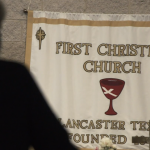
Foster stole the deeds to three churches: First Christian Church of Lancaster, Canada Drive Christian Church, and Church at Nineveh in Dallas.
During the punishment phase of the trial, prosecutors also presented evidence that seven other churches or church properties had similar “hallmarks” of deed fraud.
First Christian Church of Lancaster discovered the theft when the Dallas County Clerk notified the church’s pastor Melissa Bitting that an individual claiming to be the church chairman deeded the church property to a non-church member for $10.
AARP explains that deed theft involves thieves forging a deed that transfers ownership of a property to them. The thieves then file the deed with a county clerk, who records the sale. Often the property is quickly sold to an unsuspecting purchaser.
While the theft is easier than one might expect, the process to regain the proper title to the property is more complicated.
“Stealing real estate is just as much a theft as stealing someone’s purse or car,” prosecutor Phillip Clark told WFAA. “But it is much more complicated to unwind or fix.”
The law puts the onus on the victim to fix it, Clark said.
“You have to spend the money,” Bitting said. “You have to secure a lawyer. You have to take off time to go get the paperwork. That makes no sense.”
A victim of deed fraud must persuade a judge that the deed was fraudulent so the judge will order the property to be transferred back to the rightful owners.
Access to MinistryWatch content is free. However, we hope you will support our work with your prayers and financial gifts. To make a donation, click here.
In February 2021, First Christian Church won its legal battle and regained its ownership of the church property.
But despite Foster’s conviction, some of the other churches are still having to untangle issues connected to the deed fraud, Clark said.
“The Canada Drive Christian Church congregation was completely booted out of their church building,” Clark said. “Nineveh and Canada are still in his or his church’s name.”
At the time of the theft from First Christian Church, Foster claimed he believed the church property was vacant. He claimed to be trying to get the property to open up the church there.
“You can acquire a property for $10 with nonprofits,” he said. “The church is community property…It wasn’t [Foster] buying it.”
Foster said he put a $10 check in the mail, but the church said it received the check in the offering plate.
“I cannot imagine the audacity of this gentleman to come and worship with us like he did one Sunday morning before he stole the property,” Bitting said.
The Dallas County Clerk has partnered with Kofile Technologies to offer residents a free public service to try to prevent deed fraud. They can sign up for a notification whenever their personal or entity name is used in a real estate filing.
Additionally, the Texas Legislature passed a bill last year to help address deed fraud.
House Bill 1195 by Rep. Justin Holland aimed to ensure “more counties in the state have the ability to verify the identity of someone filing a property record in person.” It does not mandate the identity check, but makes it an option.
If the person filing refuses to provide photo identification, the county clerk “may not accept a document or other instrument for filing or recording.”
EDITOR’S NOTE: Why does MinistryWatch report on financial fraud in the church? We report on them because one in three churches will be victimized, according to the Center for the Study of Global Christianity. We also report on them because these crimes have real victims and cost taxpayers and other stakeholders billions of dollars every year. Even small crimes in small churches have huge consequences. We also report on them to remind our readers that they do not have to be victims. There are steps you can take to prevent financial waste, fraud, and abuse in your church or ministry. To find out more, click here.
TO OUR READERS: Do you have a story idea, or do you want to give us feedback about this or any other story? Please email us: [email protected]