
WA Church Sues City Over Permit Requirement for Homeless Encampment
Burien Free Methodist Church claims process violates its free exercise rights.

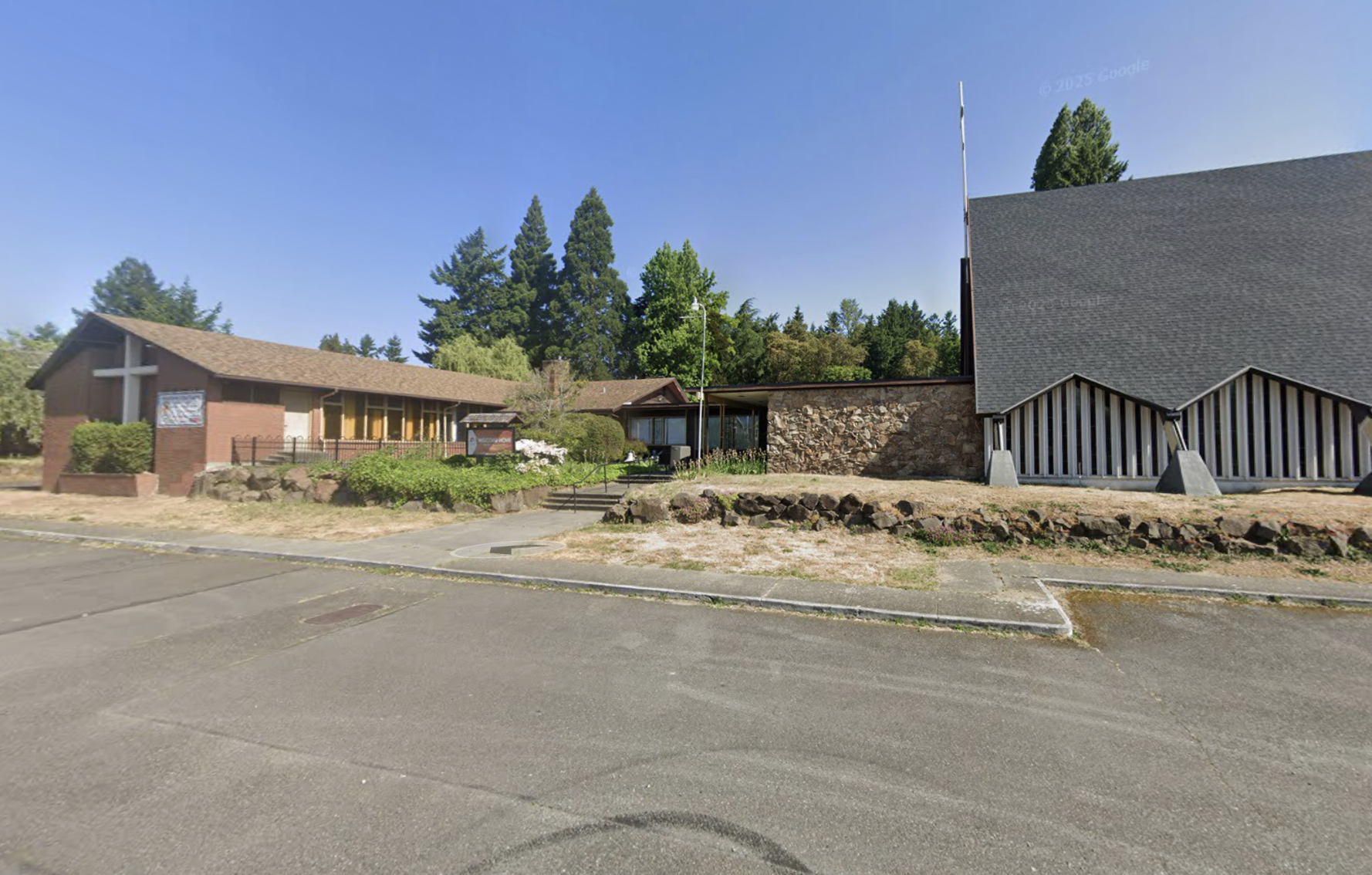
Burien Free Methodist Church, also known as Oasis Home Church, wanted to serve the homeless population in its town of about 50,000 south of Seattle after the city passed an “anti-camping” ordinance.
Burien Free Methodist Church, now Oasis Home Church / Photo via Google Maps
In November 2023, it began hosting an encampment for about 100 homeless individuals outside on its property. It was to continue for three months.
Due to the church’s zoning, the city required it to obtain a temporary use permit for the homeless encampment.
According to court documents, the city claims it supported the church’s desire to host the encampment, waived the permit application fee, and never indicated that it would deny the permit.
MinistryWatch has reported on several cases where churches were denied a zoning request or permit in order to carry out ministry, however, in this case, the church refused to seek a permit.
The Church maintained that the city’s licensing requirement violated the Religious Land Use and Institutionalized Persons Act (RLUIPA) and was an unconstitutional prior restraint on the Church’s constitutional rights to free exercise of religion.
When the church began hosting the encampment without the permit, the city issued a “notice of violation” with a fine of $125. The city and church tried to reach an understanding, but the issue became moot when the church disbanded the encampment in February 2024 and the city said it would not attempt to collect the fines.
Because it intends to host future encampments, the church filed a lawsuit in federal court seeking a declaratory judgment that the city is “barred from requiring the Church to apply for and obtain a temporary use permit before hosting the encampment on its property.”
Federal District Judge Barbara Rothstein dismissed the church’s lawsuit in February, saying the church had failed to “plausibly allege” that the city’s regulations violated the church’s rights. She found that the laws were neutral and generally applicable.
She also found that the city did not violate the church’s rights under RLUIPA because requiring “that the Church fill out a simple two-page application so that the City could ensure that the health and safety of the neighborhood residents, as well as the encampment occupants, was accounted for” was a “minimum inconvenience,” not a substantial burden.
Now the church is appealing its case to the U.S. Court of Appeals for the Ninth Circuit.
First Liberty Institute, a nonprofit law firm committed to defending religious freedom, has filed an amicus curiae brief supporting the position of Burien Free Methodist Church.
Kayla Toney, counsel for First Liberty, said the church’s homeless encampment did not create a public health issue. It had no issues with noise, violence, illegal drug use, or littering during its three month operation, she said.
“The church did a better job than the City of providing a safe place to sleep for members of the community who needed it the most. Working with a local nonprofit with experience in homeless ministry, the church ran background checks on the residents and ensured that they followed a Code of Conduct,” Toney noted.
While the city’s regulations recognize the church’s right to use its property as a religious facility, it wanted to limit that use when it involved ministering to the homeless on the church’s own property and require a temporary use permit, the brief claims.
“That interpretation gives preference to those who confine their worship inside the four walls of their church building, while disfavoring denominations like Burien Free Methodist Church that step into their parking lot to follow the commands of Jesus,” First Liberty argues.
The attorneys point to a U.S. Supreme Court case that found “Catholic Charities’ outreach ministry—including care for the homeless—was a core religious exercise as an expression of the faith. To hold otherwise would transgress both the Free Exercise Clause and the Establishment Clause by showing a preference for denominations that focus on worship and evangelism rather than service or outreach ministry.”
The case has not been set for a hearing before the Ninth Circuit Court of Appeals yet.
TO OUR READERS: The mission of MinistryWatch is to help Christian donors become more faithful stewards of the resources God has entrusted to them. Do you know of a story that will help us fulfill our mission, or do you want to give us feedback about this or any other story? If so, please email us at [email protected].
Access to MinistryWatch content is free. However, we hope you will support our work with your prayers and financial gifts. To make a donation, click here.