

Not in My Backyard: Florida Rehab Ministry’s Legal Fight
Expert claims rising opposition to recovery homes.

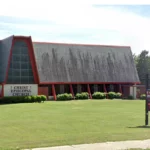
Until recently, New Life Dream Center, a 30-person substance abuse recovery home in Lee County, Florida, was not only tolerated but actively supported by officials. Courts referred offenders to the Christian program as an alternative to prison. County commissioners publicly celebrated the ministry’s contribution to the quality of life in Southwest Florida. And last year, New Life Dream Center received $298,000 from the Florida Legislature.
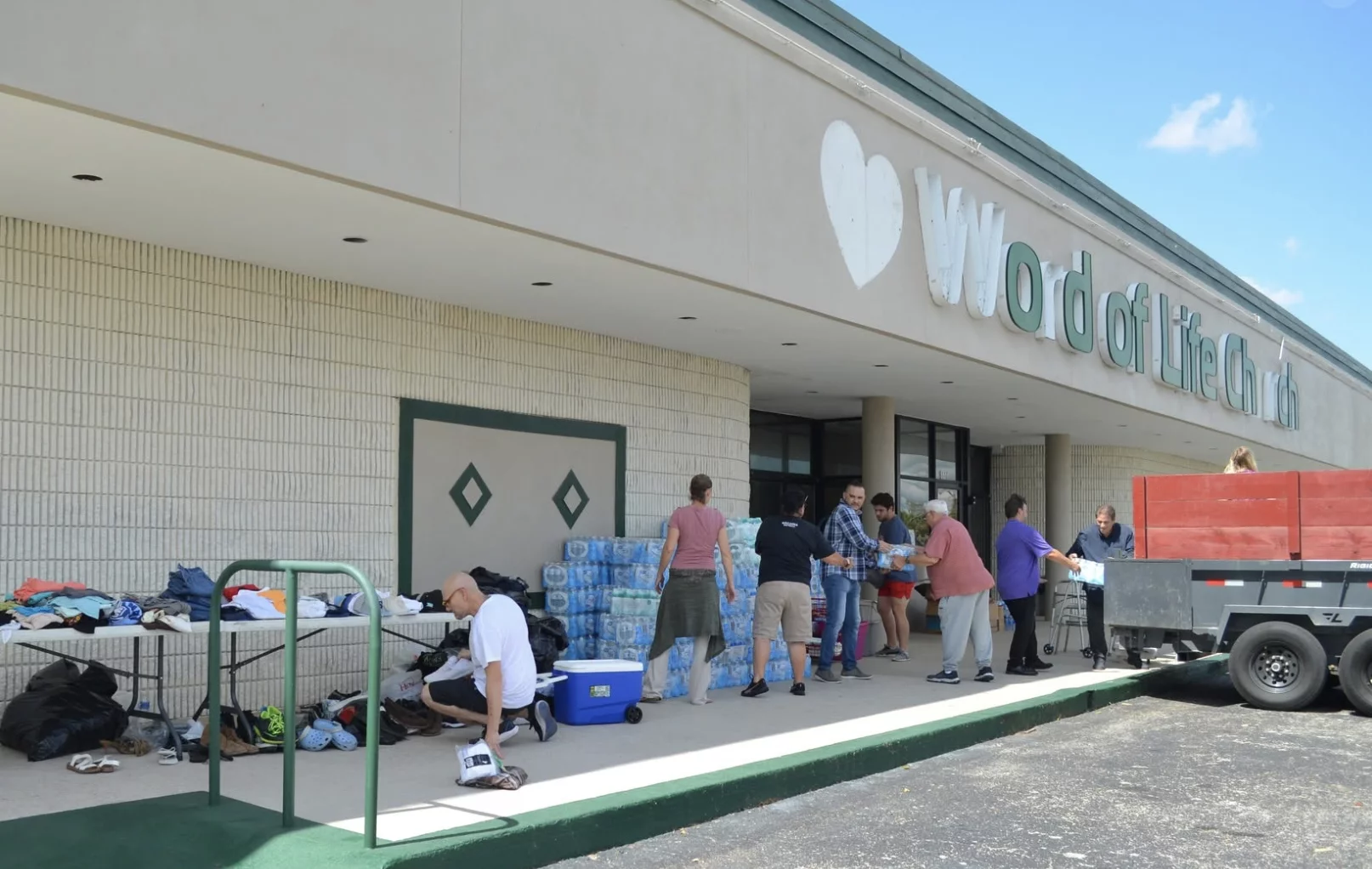
New Life Dream Center is a ministry of Word of Life Church in Fort Myers, Florida / Photo via social media @New Life Dream Centers
Then neighbors complained, and the welcome mat was rolled back. The Florida Trident reported that Lee County slapped New Life Dream Center with multiple citations — the most serious being an alleged zoning violation that could force the ministry to shut its doors and send its residents packing.
Critics say New Life Dream Center should never have been able to move into its current location, a five-acre property zoned as single-family residential. Opponents also attacked the ministry’s public funding and its connections with politicians such as U.S. Rep. Byron Donalds, the Republican nominee for Florida governor.
“By letter of the zoning, New Life Dream Center doesn’t belong there and some neighbors got very upset about this,” Florida Trident senior editor Bob Norman told WGCU News. “They didn’t want a drug rehab center in their neighborhood for, you know, kind of obvious reasons.”
However, Pastor Gaspar Anastasi, who runs the recovery program and also leads Word of Life Ministries in Fort Myers, is contesting the zoning violation.
Anastasi told the Trident his work is protected by “federal housing laws” and the Americans with Disabilities Act, and defended the program as a gospel-centered ministry that helps people — a point reinforced by multiple testimonials posted on New Life Dream Center’s website.
“It’s based on Jesus, the word of God, and the miraculous power of the Lord,” Anastasi said. “It’s non-violent, it’s a beautiful type of program.”
The Florida Fair Housing Act, combined with a 2025 law regulating the process for accommodation requests, provides significant protections for residential rehabilitation homes, even in neighborhoods zoned for single-family homes. However, operators can run into problems with local regulations such as how many people can live in a home or the minimum distance a facility must be from other houses.
According to Vanderburgh Sober Living, a resource for residential recovery operators, “In Florida a sober living home in a residential district is generally treated as a residential use, not a specialty facility, so most homes open with no zoning approval at all. Federal and Florida fair housing law bar cities from singling out recovery homes. Friction shows up in local unrelated-adult caps, separation distances, and occupancy classification.”
The state funding of New Life Dream Center ties into a broader legal debate underway. Florida’s attorney general, James Uthmeier, has pledged not to enforce the state’s ban on sending tax dollars to religious institutions, deeming the law unconstitutional.
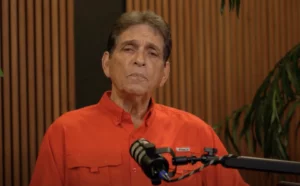
Pastor Gaspar Anastasi / Video screenshot
Anastasi declined a request from MinistryWatch to comment on the zoning dispute.
Is there a national trend?
Dan Dalton, an attorney who specializes in land use and zoning litigation for religious institutions, said legal actions against residential recovery houses for substance abusers have risen nationwide.
“It’s actually a trend now,” Dalton said. “We continue to get a lot of these calls kind of every day.”
Dalton typically manages three or four rescue missions or sober houses at a time but is currently handling 12 such cases. He said the cause of the spike is unclear, but he suspects it is connected to recent regulatory changes.
“The increase in cases started around two years ago,” Dalton said. “I believe the main reason is that the Biden administration prioritized Fair Housing Act cases and changed administrative rules to limit local government regulations on this matter. After Trump took office, FHA rules were loosened, making local governments more willing to oppose religious assembly uses, especially those related to rescue missions and sober houses.”
Dalton said the arguments against recovery facilities tend to be of the “not in my backyard” variety.
“We don’t want drug addicts in our neighborhood. And I get that…The fear of the unknown,” he said.
Dalton explained that programs can face legal trouble because they have too many residents or failed to get proper approvals or provide required notification. Some organizations intentionally keep their work secret, Dalton said, because they fear the community will turn against them and use zoning regulations to kick them out.
Dalton cited another Florida case, City Walk Urban Mission v. Wakulla County, in which he represented the shelter and won an injunction against the government.
Access to MinistryWatch content is free. However, we hope you will support our work with your prayers and financial gifts. To make a donation, click here.
According to court records, Wakulla County had told City Walk Urban Mission that its recovery home was permitted to hold up to six unrelated adults. Later, after neighbors learned registered sex offenders were living at the home, the county revised the zoning code in a way that restricted the ministry to housing just two people.
City Walk Urban Mission argued this restriction violated the federal Religious Land Use and Institutionalized Persons Act, which prohibits the government from imposing a “substantial burden” on a religious organization unless it can prove a compelling interest and demonstrate it is taking the “least restrictive” means of pursuing that interest. The court agreed.
Other relevant federal laws for recovery ministries engaged in zoning disputes include the Fair Housing Act, which categorizes people in recovery as a protected class, and the Americans with Disabilities Act, which includes addiction as a type of disability.
For ministries concerned about resistance from their communities, Dalton recommends doing everything possible to avoid having to file a lawsuit. This includes asking whether the chosen site is truly the best option and whether alternative locations were considered.
“Start with, how do you operate? Are you incorporated? Do you have a treatment plan? Have you thought through all the objections from neighbors?” Dalton said. “You try to look for the path of least resistance.”
TO OUR READERS: The mission of MinistryWatch is to help Christian donors become more faithful stewards of the resources God has entrusted to them. Do you know of a story that will help us fulfill our mission, or do you want to give us feedback about this or any other story? If so, please email us at [email protected].