


Flipcause Leaves Charities With Big Donation Losses
The fundraising platform filed bankruptcy while owing charity groups over $29 million.

Josh Brahm, who founded the pro-life Equal Rights Institute (ERI) in 2014, connected with Flipcause early on to help the group process its credit card donations.

Piggy bank by Braňo / Unsplash / Insert of Flipcause logo
“They had really good reviews and promised that the process would be simple with them only taking a small percentage,” Brahm told MinistryWatch. He said ERI takes very seriously how it spends donor dollars.
“They ended up stealing $22,000 from us,” he said.
Equal Rights Institute is one of many nonprofits left without donated money after the once-trusted Flipcause collapsed while owing $29 million in donations to its users.
Flipcause entered Chapter 11 bankruptcy in December 2025. The court approved its sale to Software4Nonprofits on March 18, 2026, for a mere $400,000, according to Nonprofit Newsfeed.
Brahm said ERI is joining the ranks of other nonprofits who filed claims with the bankruptcy trustee and are talking about joining a class action lawsuit against Flipcause.
Looking back at their experience with Flipcause, Brahm believes they should have noticed some red flags earlier on. For example, he said Flipcause would often be late in passing on donations and even tried to persuade ERI to leave its money with Flipcause, “treating it like a bank.”
Over time, ERI had to follow up more frequently on its requests for donor money withdrawals, and the length of time it took to get the payments stretched from a week to between four and eight weeks.
Brahm said ERI had considered moving to another system, but Flipcause was “very persuasive” in convincing them they’d lose recurring donors that wouldn’t be transferred to a new system. ERI didn’t have the resources to reach out to all those donors to ask them to sign up on a new platform, Brahm said.
Eventually, in July 2025, after a strongly worded letter that an attorney helped Brahm draft, Flipcause agreed to transfer their recurring donor tokens, but they did not send the remaining $22,000 in donor funds.
Brahm said the platform never sent word that it was closing and just stopped communicating with ERI. He found out other ways, mainly through media reports, about the bankruptcy. Since then, he has been mentioning it to donors and offering to answer questions they have about ERI’s experience.
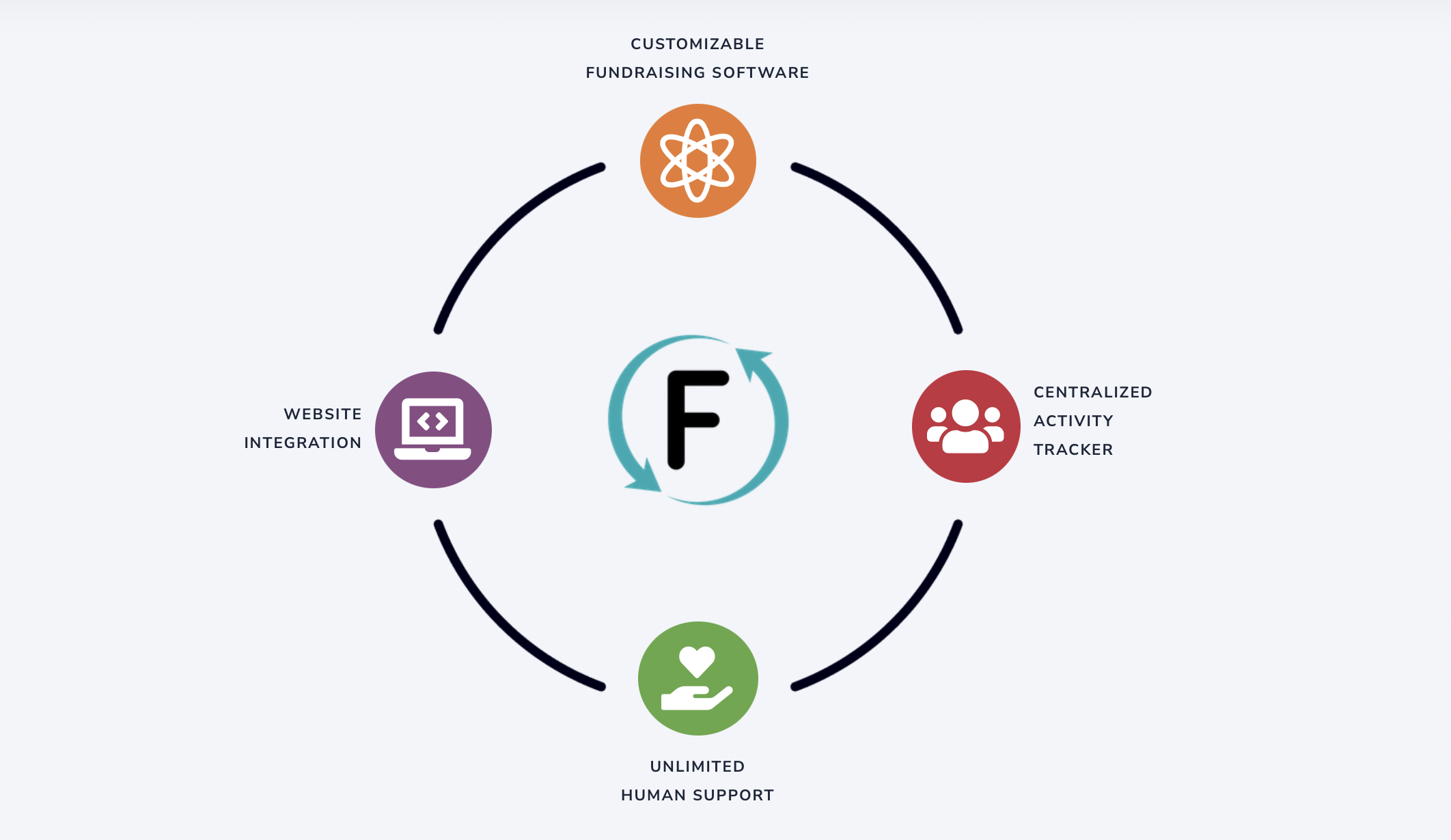
Flipcause launched in 2012 and marketed itself as “the best fundraising platform for small nonprofits.” Its 1.5% processing fee was attractive to nonprofits without large staff or large budgets.
Screenshot from archived Flipcause website
Complaints about Flipcause began to emerge in 2024 and 2025, the same time frame when ERI was experiencing longer delays in receiving its payments, according to Nonprofit Quarterly.
The extent of problems was revealed by Oakland Voices, which reported accounts of nonprofits struggling to access their donations.
California Attorney General Rob Banta issued guidance for affected nonprofits in December 2025. In November, he had issued a cease and desist order to Flipcause “demanding an immediate stop to all its operations, including all solicitations for charitable purposes.”
He advised charities to document the balance of funds in their Flipcause accounts, to file a consumer complaint, and to communicate with donors about who is authorized to solicit on behalf of the charity.
The payment processor Stripe blocked Flipcause from collecting further payments in December and froze a $1.45 million reserve account.
In its December bankruptcy filing Flipcause said it owed $29 million to over 3,200 groups that had used its platform. The charities who used the platform are considered “unsecured creditors” whose claims will only be paid after the $1.225 million owed to secured creditors.
Flipcause reported at the time that it had $70,000 in its only bank account, but claimed its platform was worth $15 million. Software4Nonprofits paid just $400,000 for it.
When asked what lessons he learned from the experience, Brahm mentioned several.
First, if he could go back, he would reach out to colleagues and find out if they were having similar issues with Flipcause.
He would also recognize the red flags of delayed release of funds earlier on and be more active in following up. “I wish I’d been a squeakier wheel,” Brahm said.
Brahm also suggested that they could have reviewed their vendor operations every year to assess possible changes they could make. They would also check competitor offers on a more regular basis.
ERI is using Bloomerang now and is happy with its services.
Brahm summed it up: “We needed to more fiercely protect our donor dollars.”
TO OUR READERS: The mission of MinistryWatch is to help Christian donors become more faithful stewards of the resources God has entrusted to them. Do you know of a story that will help us fulfill our mission, or do you want to give us feedback about this or any other story? If so, please email us at [email protected].
Access to MinistryWatch content is free. However, we hope you will support our work with your prayers and financial gifts. To make a donation, click here.