

Consolidated Abuse Lawsuit Against Harvest Christian Fellowship and Greg Laurie Contains New Allegations
Lawsuit alleges Harvest Christian Fellowship covered up ongoing abuse at Harvest Homes in Romania.

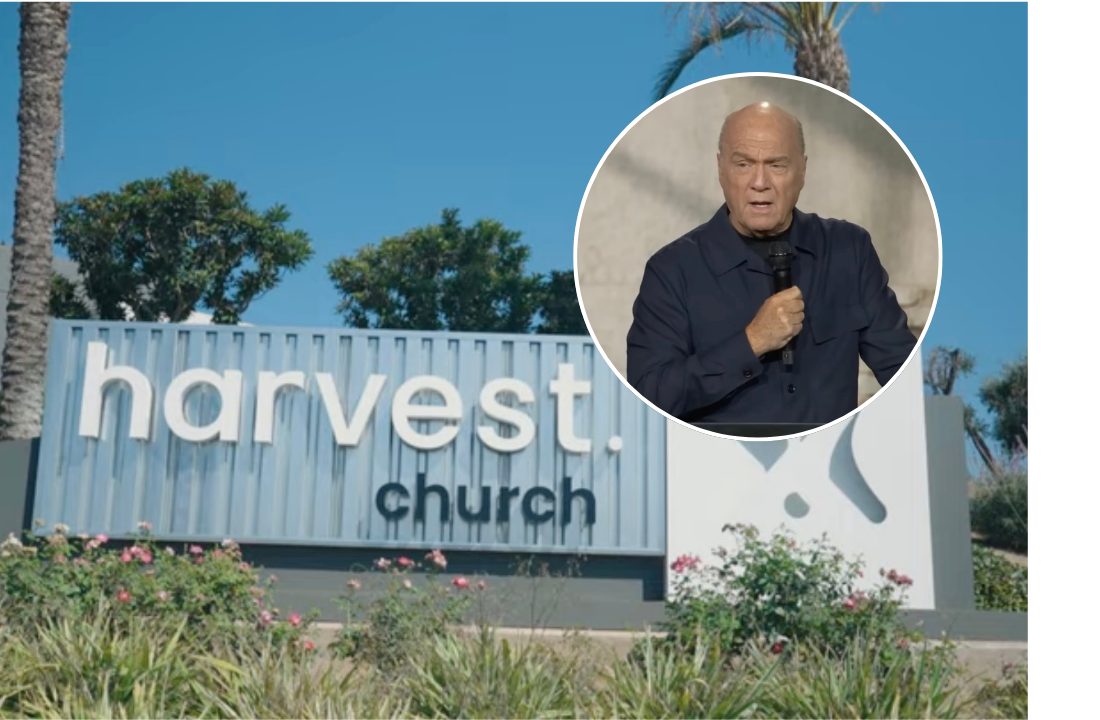
Twenty-two plaintiffs who claim they were abused at Christian children’s homes in Romania have consolidated their lawsuits into one against California megachurch Harvest Christian Fellowship, its pastor Greg Laurie, former missions pastor Richard Schutte, and the alleged abuser Paul Havsgaard.
According to the federal lawsuit filed last week (March 6) in California, the abuse took place between 1998 and 2008 when Havsgaard was the manager of Harvest Homes in Romania. The homes were funded and operated by Harvest Christian Fellowship, the lawsuit alleges.

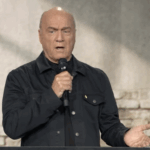
Harvest Christian Fellowship Pastor Greg Laurie / Video screenshot
Harvest is a megachurch in Riverside, California, started as Calvary Chapel in 1976 and renamed in 1982. It has about 15,000 in attendance each Sunday. Laurie is also known for his Harvest Crusades, claiming that over 11 million people have attended and over 1 million people have made decisions to follow Christ.
Havsgaard first visited Romania in 1998 with Samaritan’s Purse to distribute shoeboxes of gifts to needy children in Bucharest, the lawsuit states. After that visit, Havsgaard then suggested that Harvest establish a permanent mission in Romania.
Later in 1998, Havsgaard returned to Bucharest to begin setting up the Harvest Homes, including establishing the Romanian Harvest Foundation to handle the formalities.
It wasn’t long before abuse reports began from residents, volunteers, and local Romanian employees. According to the lawsuit, the first reports of abuse were made in 1999. Mami Tina, the home’s cook, reported suspicions of Havsgaard’s abuse to Schutte early on during a visit to Romania. Upon returning to California, Schutte reported to Laurie’s deputy, John Collins, but nothing was done.

Photo of Paul Havsgaard
Even before he was sent to Romania, the lawsuit claims that Havsgaard’s sister Samantha approached Nehemias Quintanilla, a lay leader at Harvest, to report about Havsgaard’s alleged proclivities. She allegedly told him that Havsgaard had abused his younger sisters while living at home. This report was supposedly relayed to Harvest leaders.
The alleged abuse at Harvest Homes grew over the next few years, so that in 2004, an investigation was authorized by Schutte and conducted by another Harvest missionary, Steve Quarles.
Quarles reportedly told Schutte, “Paul [Havsgaard] needs to be on that plane with you when you leave tomorrow. He doesn’t need to be another day in Romania. He needs to be gone. He is an embarrassment to every single missionary and Christian worker. Get him out of here and into counseling.”
Supposedly, the plan was to remove Havsgaard and implement entirely new leadership at the Harvest Homes, according to the lawsuit.
However, when Havsgaard refused to leave, the lawsuit claims Harvest leadership did not fire, suspend, withdraw, or discipline Havsgaard despite “their clear authority to do so under California law and Laurie’s unquestioned authority over all Harvest Riverside policies, decisions and activities.” Nor did they report Havsgaard to the authorities, the lawsuit states.
No new protection policies or procedures were implemented at the Harvest Homes for the children’s sake, according to the lawsuit.
Access to MinistryWatch content is free. However, we hope you will support our work with your prayers and financial gifts. To make a donation, click here.
Instead, the plaintiffs claim Harvest orchestrated a cover-up and gave Havsgaard a “soft landing.” Supposedly Schutte told Quarles that Havsgaard “is very important because he is the face of the ministry. He’s the one who goes and talks to the churches and raises the money. We can’t not have him be part of things.”
Havsgaard was eventually fired in 2018 with no reason given for his dismissal, the lawsuit claims.
That same year, Pastor Paul Eaton and Robert Lawless allegedly “systematically scoured Harvest Riverside’s substantial video archive to remove any footage of Havsgaard.”
Video screenshot
The lawsuit lays out in some detail the alleged abuse against the 22 plaintiffs. The alleged victims still struggle with symptoms of trauma including post-traumatic stress disorder, severe depression, and attempts at self-harm. Some fell into alcoholism, drug abuse, and sex work, the lawsuit states.
Abuse allegations weren’t the only issue at Harvest Homes. Others were concerned that funds raised for Harvest Homes may have been diverted to other causes, according to the court documents.
Additionally, Havsgaard was reportedly given $17,000 per month to fund the operations of Harvest Homes, but the lawsuit alleges he did not properly account for the funds, which were supposedly sent directly to his personal account. The 2004 investigation by Quarles found that at least $5,000 each month was spent without receipts or records, the lawsuit claims.
The lawsuit also claims the alleged abuse cover-up in Romania was part of a pattern by Harvest Christian Fellowship.
For example, the church recommended U-Turn camp for children needing special discipline in Baja, Mexico, where severe punishments were allegedly inflicted on campers. A Mexican task force raided the ranch and expelled four counselors from the country.
Former Harvest Assistant Pastor Jeff Lasseigne allegedly engaged in extramarital affairs while his wife was suffering with Alzheimer’s. In 2021, he signed an NDA, was relieved of his duties, given a severance package reported to be worth $4 million, all with no explanation to the congregation.
The lawsuit also claims Harvest covered up accusations of sexual abuse in the 1990s by volunteer William Walrath. He was removed from his role without explanation. Around 2000, Walrath was arrested and subsequently convicted of multiple felony sexual offenses involving minors and sentenced to 12 years in prison.
The plaintiffs are asserting claims for negligence, negligent supervision, negligent retention, a civil conspiracy to commit tortious acts — including intentional infliction of emotional distress and sexual battery, and sex trafficking.
It also includes claims that Laurie and Schutte knowingly gave “substantial assistance to Havsgaard’s commission of sexual battery, intentional infliction of emotional distress and sex trafficking on plaintiffs.”
Harvest Christian Fellowship did not respond to MinistryWatch’s requests for a response to the lawsuit or its allegations before the time of publication.
In the past, it has said, “The allegations in the lawsuit shock one’s conscience, as they shocked ours. The allegations are serious and disturbing, but the target here should be the alleged perpetrator, not our church. This misplaced lawsuit wrongly targets Harvest and our pastor as a form of financial extortion. It does not seek the truth nor does it seek to stop the purported wrongdoer.”
###
EDITOR’S NOTE: MinistryWatch exists to help donors become more effective stewards of the resources God has entrusted to them. So, why does MinistryWatch report on sex crimes? These stories are tough to read and sometimes even tougher to report, but we think they are vital to our mission to bring transparency, accountability, and credibility to the evangelical church. Donors who are supporting these ministries need to know this information. Ministry leaders and others can learn lessons from these stories. Victims feel supported. To read more about why and how we report these stories, read “Why MinistryWatch Reports On Sex Crimes.”
Another reason we report on sex crimes is to highlight for ministry and church leaders the importance of employing best practices for hiring and supervising employees in Christian environments.
Below is a list of best practices, curated from content on ministrywatch.com. These are adapted from discussions on Christian ministries, churches, and Christian educational institutions.
Clarifying Mission and Faith-Based Requirements
- Clearly define and document the organization’s religious mission to guide all hiring decisions, ensuring that faith alignment is central.
- Assess personnel needs based on what is required to fulfill the mission, recognizing that requirements may vary by role (e.g., teachers in a Christian school might need to model faith in curriculum delivery).
- Develop detailed job descriptions that explicitly link positions to the mission, including necessary faith commitments, conduct standards, and how they connect to the religious identity.
- Require candidates to affirm a statement of faith (e.g., a restatement of the Apostles’ Creed) to ensure they share the organization’s beliefs, as this is protected under federal laws like Title VII for religious nonprofits.
- Implement policies where employees assent to the mission, receive training on their role in it, are held accountable, and are treated consistently in evaluations or issues.
Avoiding Nepotism and Conflicts of Interest
- Create written anti-nepotism policies prohibiting direct reporting relationships between relatives (e.g., spouses or siblings) and limiting family members’ involvement in hiring, firing, or reviews.
- Establish boundaries to prevent conflicts, such as excluding relatives from decision-making roles in personnel matters.
- Promote transparency and open communication with staff and stakeholders about family hires to build trust and address potential issues.
- Adhere to any denominational guidelines, such as restrictions on family members serving on oversight boards or committees.
- Use resources like sample policies from the Evangelical Council for Financial Accountability (ECFA) and seek professional advice to tailor policies.
Thorough Vetting and Background Checks
- Conduct comprehensive investigations into candidates’ past, especially regarding allegations of misconduct like abuse, using independent firms if needed for objectivity.
- Create confidential channels for reporting concerns or additional information during the hiring process.
- Make relevant assessment findings public (while protecting sensitive details) to demonstrate integrity.
- Include spousal interviews or family vetting to assess overall fit with organizational values, though this should be handled carefully to avoid legal risks.
Legal Compliance and Conduct Expectations
- Hire based on shared faith and mission alignment, as federal law (e.g., Title VII) allows Christian organizations to prioritize believers without discrimination claims.
- Enforce a code of conduct aligned with “Judeo-Christian” values (e.g., prohibiting gossip or certain personal behaviors), but ensure it complies with anti-discrimination laws and does not overreach into protected areas like pregnancy or religion.
- Train new hires on core values, such as working “as unto the Lord,” to integrate them into the ministry culture.
- Be aware of limits: Secular aspects of the organization cannot mandate specific religious practices, and at-will employment allows flexibility but must avoid violations of federal protections.
These practices emphasize stewardship, accountability, and protection against legal challenges, such as those from employment laws or state requirements.
Related posts:
![More Lawsuits Filed Against Greg Laurie and Harvest Christian Fellowship for Abuse in Romanian Orphanage]()
More Lawsuits Filed Against Greg Laurie and Harvest Christian Fellowship for Abuse in Romanian Orphanage
![‘Pastor Planes’ Project Investigates Televangelists’ Flight Expenses]()
‘Pastor Planes’ Project Investigates Televangelists’ Flight Expenses
![Crown Financial Ministries Rises to Top Tier for Financial Transparency]()
Crown Financial Ministries Rises to Top Tier for Financial Transparency
![MinistryWatch’s Top 10 Stories for February]()
MinistryWatch’s Top 10 Stories for February
![In ‘The Jesus Music,’ Erwin Brothers Recount the Glory and Mess of Christian Music]()
In ‘The Jesus Music,’ Erwin Brothers Recount the Glory and Mess of Christian Music