
A CHRONOLOGICAL EXPLAINER
The Archbishop Steve Wood Controversy

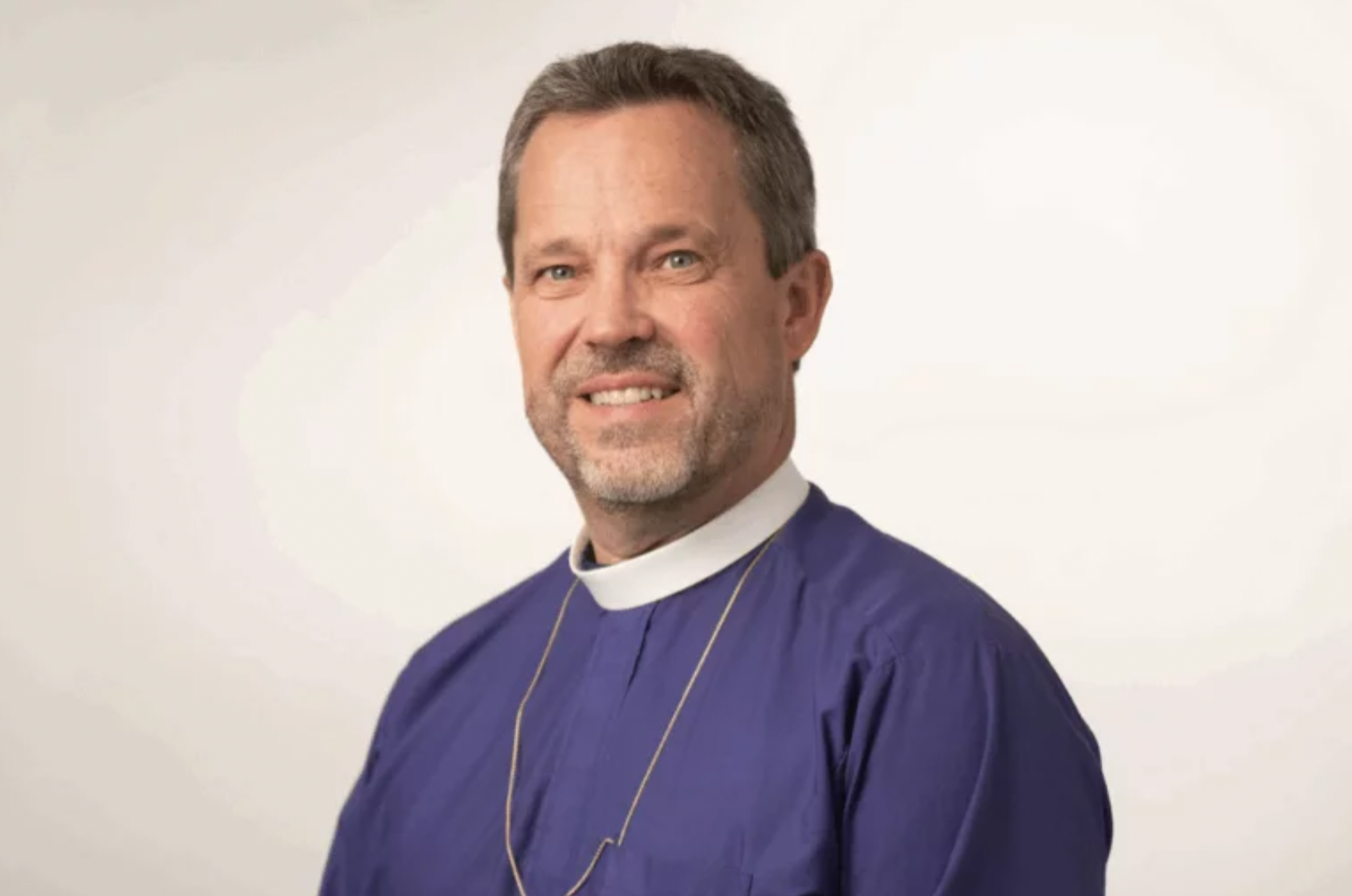
ANALYSIS–The Anglican Church in North America (ACNA), founded in 2009 as a conservative alternative to the more progressive Episcopal Church and Anglican Church of Canada, has long positioned itself as a beacon of orthodox Anglicanism. With roots in evangelical and charismatic traditions, the denomination emphasizes biblical inerrancy, traditional marriage, and opposition to progressive social shifts like same-sex blessings. By 2025, ACNA boasted over 1,000 congregations across North America, serving as a spiritual home for disaffected Anglicans seeking doctrinal purity amid global Anglican schisms. 
Enter Steve Wood, a South Carolina-based rector whose unassuming demeanor masked a rapid ascent. Wood, rector of St. Andrew’s Church in Mount Pleasant since 2004, built a reputation for energetic preaching and church growth. Under his leadership, St. Andrew’s expanded from a modest parish to a multi-campus operation with thousands in attendance, blending contemporary worship with Anglican liturgy. Wood’s charisma caught the eye of ACNA leaders, who saw in him a fresh voice to succeed Archbishop Foley Beach, whose tenure had stabilized the denomination but left it grappling with internal tensions over abuse scandals and theological divides.
The controversy enveloping Wood—allegations of sexual harassment, bullying, plagiarism, and ecclesiastical overreach—unfolded against this backdrop, exposing fissures in ACNA’s governance, its handling of misconduct, and its cultural battles. What began as whispers among former colleagues escalated into a denomination-wide crisis, forcing questions about leadership accountability, canonical reforms, and the intersection of personal failings with institutional power. This explainer draws exclusively from MinistryWatch’s coverage to trace the timeline from Wood’s early promise to his suspension in late 2025. The narrative reveals not just one man’s fall but a denomination tested by its own aspirations for renewal.
Early 2025: A New Archbishop and Initial Hopes
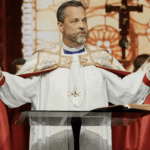
The year 2025 dawned with optimism for ACNA under Wood’s fresh mandate. Elected in June 2024 to replace Beach, Wood was invested as the third Archbishop of ACNA in October 2024, a ceremony that symbolized continuity and vigor. MinistryWatch’s coverage at the time highlighted Wood’s vision for “transparency” and “canonical reform,” themes he emphasized in his investiture address. Speaking to a gathered assembly of bishops and laity, Wood pledged to address longstanding issues like clergy misconduct, drawing applause for his direct style. “We must build a church where truth is not just proclaimed but lived,” he declared, as reported in MinistryWatch’s roundup of Anglican developments.
By May 2025, Wood’s leadership faced its first public test not from within but from the fringes of Anglicanism. The restoration of the Rev. Calvin Robinson, a British priest known for provocative online commentary, to licensed ministry under a small ACNA-affiliated jurisdiction sparked concerns. Robinson, previously defrocked in the Anglican Catholic Church for a controversial gesture likened to a Nazi salute, received temporary credentials from the Reformed Episcopal Church, a conservative ACNA affiliate.
Archbishop Wood responded swiftly with a statement expressing unease. “I am concerned to have the Anglican Church of North America affiliated with a leader whose public comments and persona consistently fail to exhibit the love and grace of Jesus Christ,” Wood wrote, as quoted in MinistryWatch’s May 15 article. The remark underscored Wood’s early commitment to a “gracious orthodoxy,” distancing ACNA from figures seen as inflammatory. Robinson, in turn, expressed hope for Wood’s shepherding, tweeting, “I do not know Abp Steve Wood, but I look forward to getting to know him. I have been praying for a strong shepherd for the ACNA for some time; I am hopeful he is that man.” This exchange, while minor, foreshadowed Wood’s willingness to wield authority decisively—a trait that would later draw accusations of bullying.
Wood’s first months also involved navigating ACNA’s internal machinery. At the Provincial Council in June 2025, he addressed attendees on themes of unity and discipline, as captured in photos and recaps from MinistryWatch. Here, Wood pushed for “one of the most comprehensive canonical reforms we’ve had,” focusing on clergy accountability. Attendees, including bishops from diverse jurisdictions, praised his energy. Yet, beneath the surface, tensions simmered.
ACNA’s safeguarding mechanisms, bolstered by post-2019 abuse scandals in the Diocese of the Upper Midwest, were under scrutiny. Wood’s emphasis on transparency seemed genuine, but as MinistryWatch later noted, it masked brewing discontent among his former St. Andrew’s staff.
Access to MinistryWatch content is free. However, we hope you will support our work with your prayers and financial gifts. To make a donation, click here.
Summer 2025: Escalating Tensions and the Seeds of Conflict
As summer heated up, Wood’s tenure encountered more substantive hurdles, particularly around abuse handling and jurisdictional disputes. In July 2025, a high-profile trial loomed over Bishop Stewart Ruch of the Upper Midwest Diocese, accused of mishandling a sex offender case involving a lay minister. Mark Rivera’s 2019 abuse of a minor had exposed systemic failures, leading to Ruch’s presentment for violating canons on discipline and transparency.
MinistryWatch’s coverage illuminated Wood’s role in this saga. On July 22, Wood appointed Rev. Job Serebrov as prosecutor in Ruch’s trial, replacing an earlier official who resigned amid claims of tainted proceedings. Serebrov, however, faced immediate backlash from ACNAtoo, an advocacy group for survivors of abuse within the ACNA. They highlighted his ties to St. Peter’s Fireside—a church linked to the scandal—and accused him of conflicts of interest. “ACNA Archbishop Steve Wood’s choice for prosecutor… also has ties to the Greenhouse Movement,” MinistryWatch reported, quoting advocates who argued Serebrov’s endorsement of implicated programs undermined impartiality.
Wood defended the appointment, with ACNA’s Provincial Chancellor affirming that officials had investigated Serebrov’s connections. At a town hall on August 6, Wood urged restraint: “Discipline in the church is one of the most important things… We’re undertaking… canonical reforms.” Yet, the trial’s chaos persisted. By August 6, a third prosecutor was named after further resignations, including assistant counsel Rachel Thebeau, who accused Wood’s staff of leaking inadmissible evidence.
Parallel to the Ruch trial, a jurisdictional rift emerged in the Special Jurisdiction of the Armed Forces and Chaplaincy (SJAFC), overseen by Bishop Derek Jones. In July, ACNA’s Safeguarding Office, citing “multiple allegations of ecclesiastical abuse of power (deemed to be credible)” against Jones, recommended a “Godly Admonition.” Wood issued it on September 12, as detailed in MinistryWatch’s September 24 article. Jones, a vocal complementarian, alleged Wood was steering ACNA toward egalitarianism, hiring “nothing but egalitarian staff” and training “egalitarian bishops.” This theological divide—complementarianism versus egalitarianism —had simmered since ACNA’s founding but flared under Wood.
By late September, the conflict exploded. On September 12, Wood informed Jones of a third-party investigation into the allegations. But church lawyers clarified Wood lacked authority for it, prompting Jones’s outrage. “(Archbishop) Steve promised that he was going to navigate those waters well, but in fact, has hired nothing but egalitarian staff,” Jones said. The SJAFC, seeking autonomy as a full diocese, accused Wood of overreach. On September 24, four chaplains released a statement criticizing Wood’s interim appointee, and the jurisdiction sued ACNA for trademark infringement and unfair practices, attempting to exit with its chaplains.
Wood restricted Jones from ministry in October, citing “credible complaints” of abuse of power. The SJAFC’s law firm fired back with a cease-and-desist letter, calling Wood’s actions “malicious” and interfering with military relationships. MinistryWatch portrayed this as “chaos for Anglican military chaplains,” with Jones framing the probe as a “proxy war over… a slide into liberalism under Wood and his predecessor.” By fall, Wood’s transparency pledges rang hollow amid these battles, planting seeds of doubt about his leadership style—perceived by critics as bullying.
Fall 2025: The Washington Post Exposé and Immediate Fallout
The powder keg ignited on October 23, 2025, an explosive report from The Washington Post. The piece detailed allegations from Claire Buxton, a former children’s ministry director at St. Andrew’s. Buxton claimed Wood gave her over $3,000 from church funds and, in April 2024 — just before his election — attempted to kiss her in his office. Colleagues had noted Wood’s “excessive praise and fondness” for her, raising red flags.
The report didn’t stop there. Priests accused Wood of plagiarizing sermons and bullying staff, behaviors predating his archbishopric. By September 2025, former colleagues had drafted a presentment, gathering signatures from 10 clergy and laity per church bylaws. MinistryWatch emphasized that all allegations predated Wood’s election, questioning vetting processes.
“Archbishop Steve Wood… faces allegations of sexual harassment, bullying and plagiarism,” the November 10 story read, framing it as a crisis for a denomination already reeling from Ruch and Jones.
Wood’s response was swift but measured. On November 3, he announced a paid, voluntary leave of absence. “ACNA Archbishop Steve Wood… is taking a voluntary leave… in the wake of allegations,” MinistryWatch reported, detailing how Bishop Ray Sutton was appointed interim archbishop. Sutton would form a Board of Inquiry to assess charges including violation of ordination vows, scandalous conduct, and sexual immorality. Wood’s statement stressed cooperation: “I am committed to the process.”
Late 2025 and Beyond: A Second Accuser, Suspension, and Denominational Reckoning
The plot thickened on November 11, when MinistryWatch reported a second harassment claim. Identified as “Jane Doe,” the woman accused Wood of “pressuring me to be in situations I was uncomfortable with… pressuring me to be in a private space with him, one-on-one, to drink alcohol… despite me saying it was inappropriate.” This followed the Washington Post’s update, amplifying calls for accountability.
Sutton recused himself from the inquiry because of concern about previous relationships he had with Wood. Bishop Julian Dobbs subsequently formed an impartial panel. MinistryWatch’s November 19 article announced: “ACNA Archbishop Steve Wood… has been temporarily suspended… days after more than 140 clergy… signed an open letter calling for his inhibition.”
As December 2025 approached, the controversy lingered without resolution. MinistryWatch’s October 31 “Top 10 Stories” ranked the Post exposé highly, signaling its resonance. The November 24 podcast reiterated suspension details, while broader pieces like the #ChurchToo archive framed Wood’s case within ACNA’s abuse reckoning.
What does this mean for ACNA? MinistryWatch’s analyses suggest a pivotal moment. Wood’s fall—from June’s Provincial Council optimism to November’s inhibition—exposes vetting gaps, theological rifts, and disciplinary frailties. His emphasis on transparency, once a strength, now appears selective. The Ruch trial’s prosecutorial churn and Jones’s exodus underscore systemic issues, with chaplains “scrambling” post-departure.
Yet, glimmers of reform persist. Wood’s canonical push, though ironic, continues under Bishop Julian Dobbs, who has been named Dean of the Province. Given the current situation, that makes him the senior leader of ACNA today.
Advocates like ACNAtoo demand survivor-centered changes, while Jones’s suit tests jurisdictional boundaries. For donors and laity, MinistryWatch stresses vigilance: ACNA’s potential to “breathe new life into the evangelical movement” hinges on addressing these “self-inflicted” wounds.
In chronological arc, Wood’s story is a cautionary tale: promise in spring yielding to peril by winter. Indeed, on Dec. 12, 2025, a Board of Inquiry found that there is “probable cause to present Archbishop Wood for trial for violation” of various canons of the church, including “Violation of Ordination Vows (Canon IV.2.1.3); Conduct giving just cause for scandal or offense, including the abuse of ecclesiastical power (Canon IV.2.1.4); and Sexual Immorality (Canon IV.2.1.6).”
Whether Wood resigns or returns, the controversy has indelibly marked ACNA, signaling either a beginning of the end for the once promising denomination, or the end of the beginning – a step out of organizational adolescence into adulthood.
EDITOR’S NOTE: Kathryn Post of Religion News Service contributed to this analysis. This analysis was prepared with the assistance of artificial intelligence tools that summarized and synthesized MinistryWatch coverage.
Related posts:
![ACNA Moves Forward with Investigation Amid Concerns from Survivors and Advocates]()
ACNA Moves Forward with Investigation Amid Concerns from Survivors and Advocates
![ACNA Archbishop Steve Wood Suspended]()
ACNA Archbishop Steve Wood Suspended
![Joni and Friends, Christian Military Fellowship Jump Into ‘Give With Confidence’ Designation]()
Joni and Friends, Christian Military Fellowship Jump Into ‘Give With Confidence’ Designation
![Alleged Victims Say ACNA Church Leaders Failed to Acknowledge Their Abuse Allegations]()
Alleged Victims Say ACNA Church Leaders Failed to Acknowledge Their Abuse Allegations
![Hundreds Sign Petition Asking ACNA for ‘Survivor-Centric’ Abuse Investigation]()
Hundreds Sign Petition Asking ACNA for ‘Survivor-Centric’ Abuse Investigation