AI Use Growing Among Christian Ministry Leaders
Trends reported through the MinistryWatch quarterly executive survey.

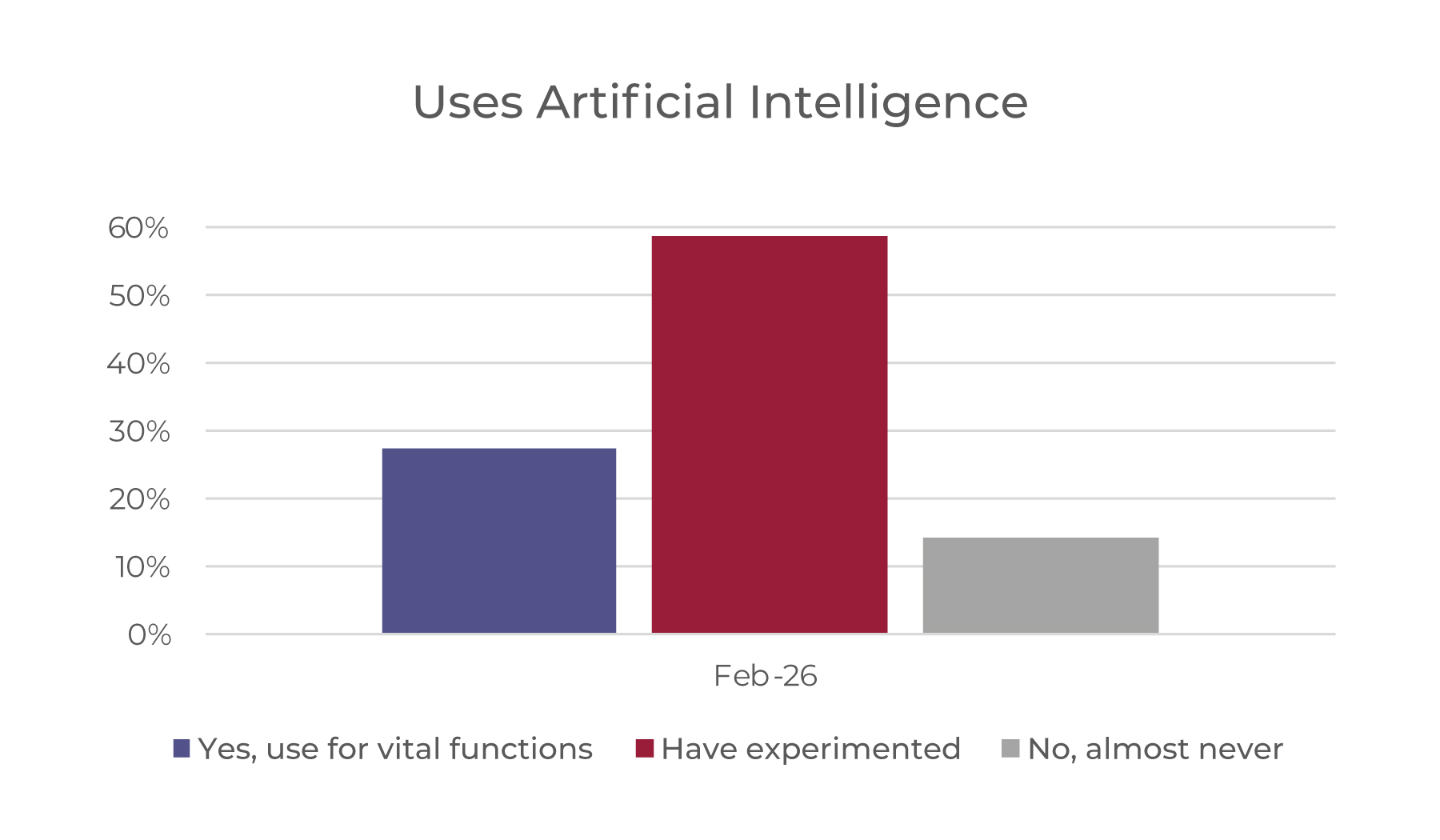
The majority of Christian ministry organizations are either experimenting with or using artificial intelligence technology in their operations.
According to the most recent MinistryWatch survey of Christian ministry executives, 27% responded that they use AI for vital functions, such as fundraising, research, or content creation. Another 59% say they have experimented with AI but it is not an integral part of their operations.
Only 14% say they never or almost never use AI.
These responses mirror the findings of a study conducted by technology firm Bonterra in partnership with Hanover Research suggesting the nonprofit world is rapidly adopting AI, even as concerns about the technology’s potential pitfalls remain strong.
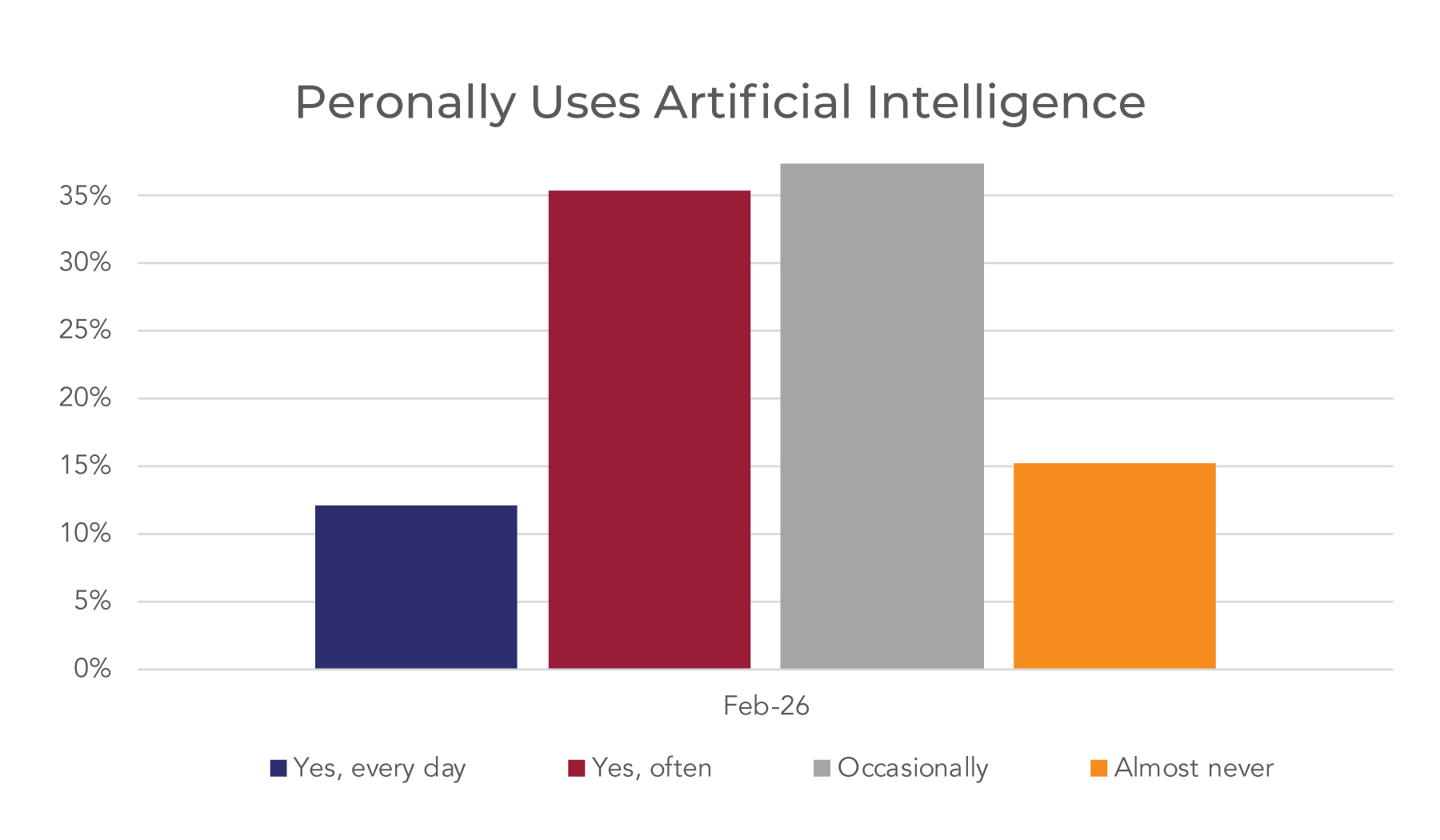
MinistryWatch also asked executives if they personally use AI in their jobs. Of the respondents, 47% use AI either often or every day. Thirty-seven percent say they use it occasionally but it is not part of their regular work, and 15% say they never or almost never use it personally in their role.
MinistryWatch has been conducting its quarterly survey of leaders of the nation’s 1,000 largest Christian ministries since October 2022. We have consistently reported about the insights they have provided.
This quarter, we received responses from 99 ministry executives, 94% of whom are in the top role at the organization — CEO, president, or executive director.
While we recognize the response size is somewhat small, the results have shown noteworthy trends over time. MinistryWatch has created graphics to demonstrate these trends in a variety of areas.
Economy & Impact of Trump Administration
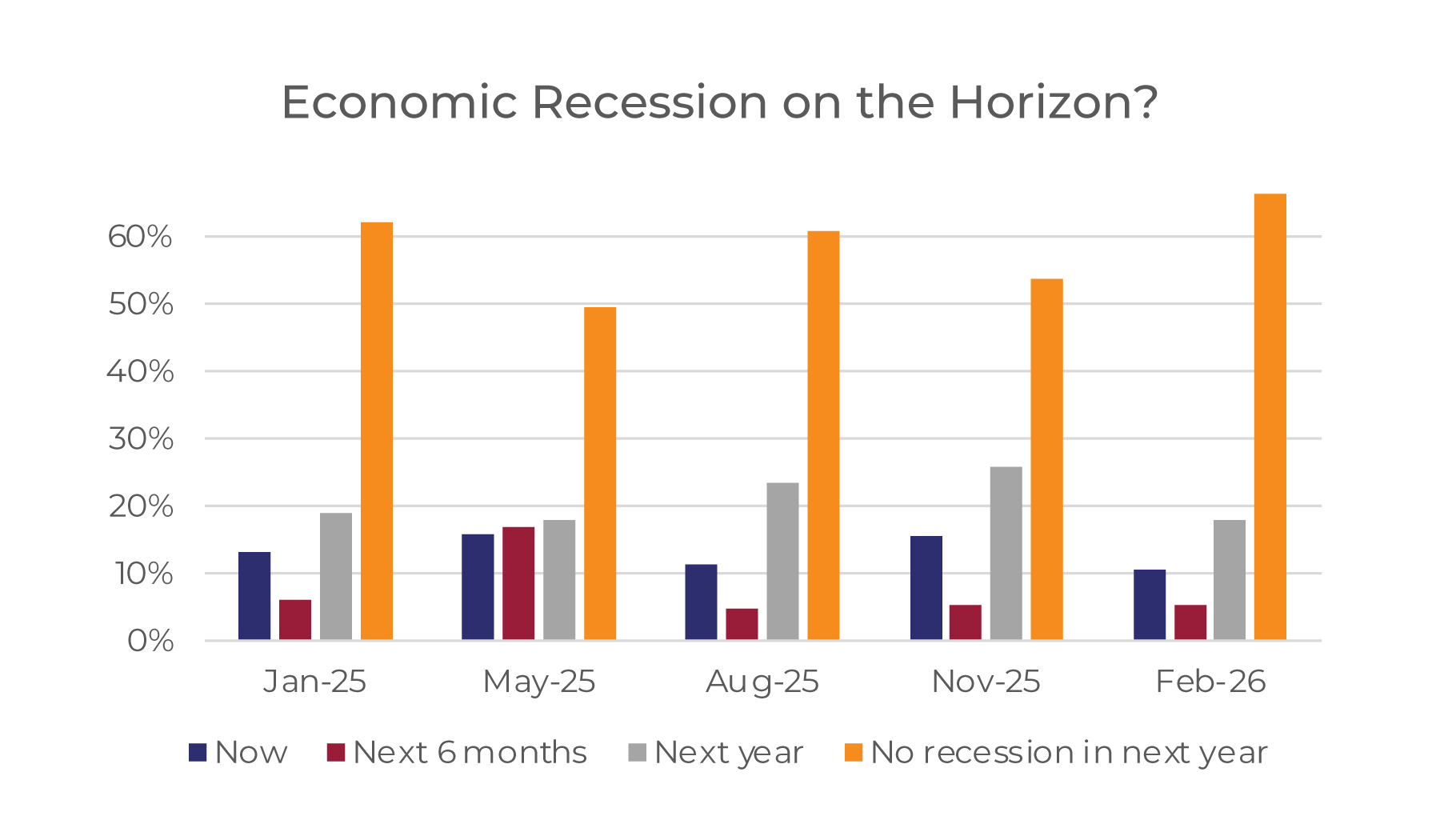
The vast majority of Christian ministry executives who responded — 66% — are optimistic about the U.S. economy, saying it will not enter a recession in the next year.
That is a stark change from November, when almost half of the respondents said they believe that the U.S. economy is already in a recession or will enter a recessionary period in the next six months to a year. Now, only about 16% of respondents believe the economy is either in a recession or will enter one in the next six months.
About 18% think the country will enter a recession in the next year, down from 26% in November’s survey and 23% in August 2025.
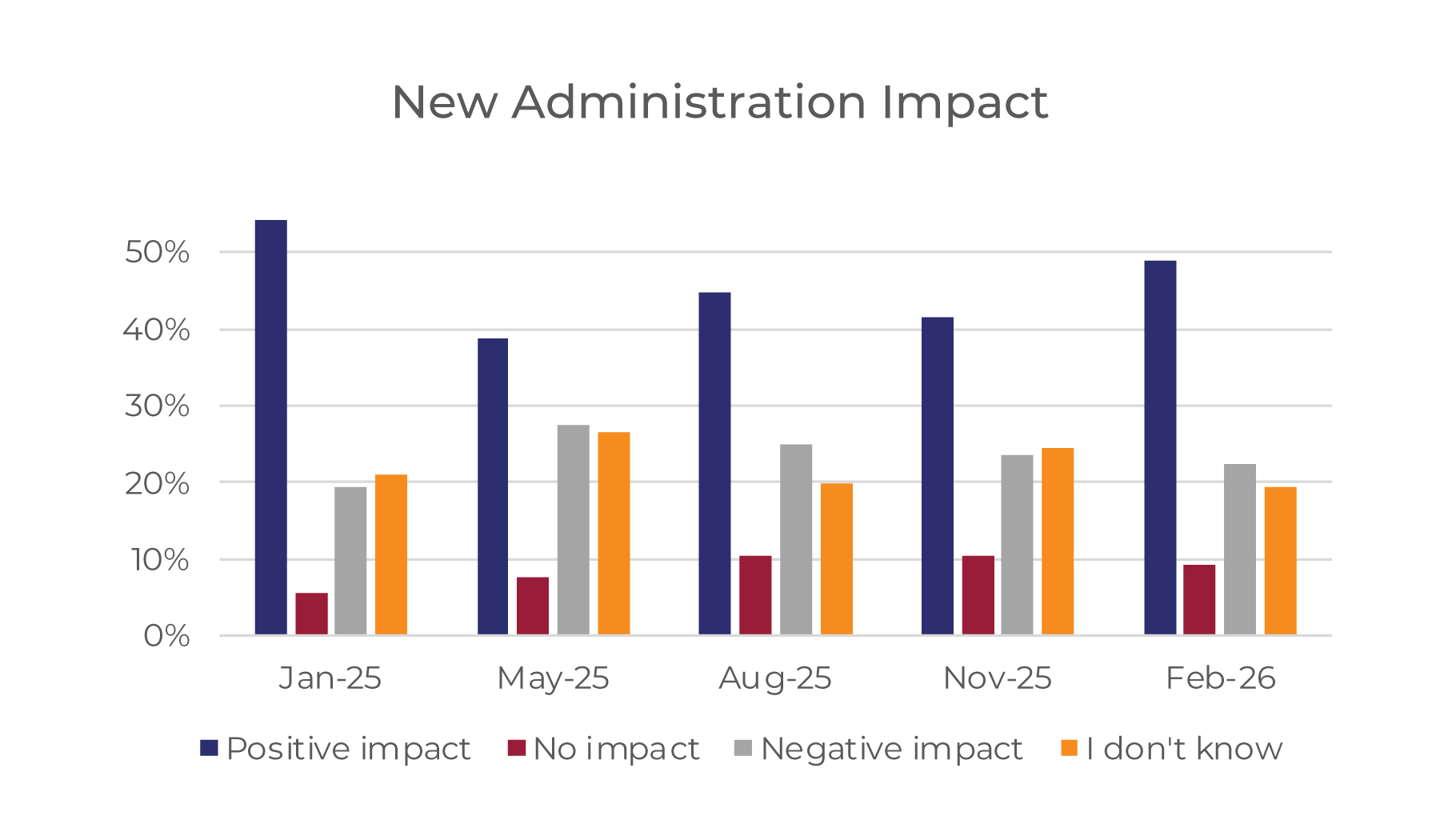
About 49% of survey participants believe the Trump administration’s policies have a positive impact on their organization or the work they do — up from 42% in November, but down from 54% in January 2025.
About 9% believe the administration policies will have no impact, and 22% think the policies may have a negative impact. Some 19% of the respondents replied they don’t know what impact the administration’s policies will have — a little lower than the response in November.
Ministry Revenue
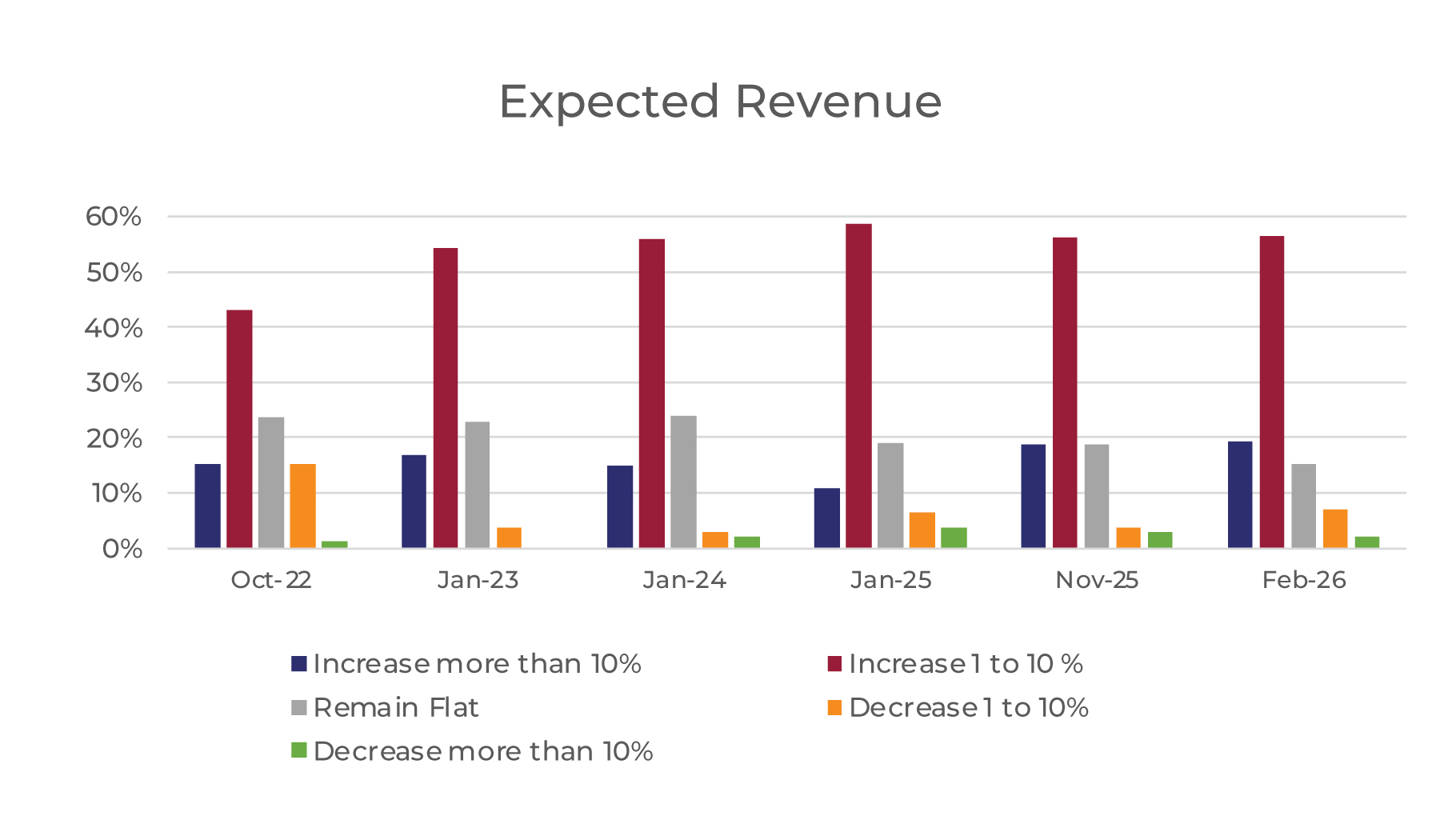
Along with their optimism over the economy, ministry executives remain optimistic about their revenue growth over the next 12 months, with about the same level of optimism they reported in November’s survey. A majority — 57% — believe their revenue will grow between 1-10% over the next year, and a healthy 19% believe it will grow by more than 10%. About 15% believe their revenue will remain flat, down from 19% in November. Less than 10% believe their revenue will decrease over the next year.
As seen in the graph indicated by the red line, most ministries over the nearly three years of surveys have expected to see growth of between 1-10%. Going back to our first survey in October 2022, about 58% of survey respondents expected to see some revenue growth in the next year of operations.
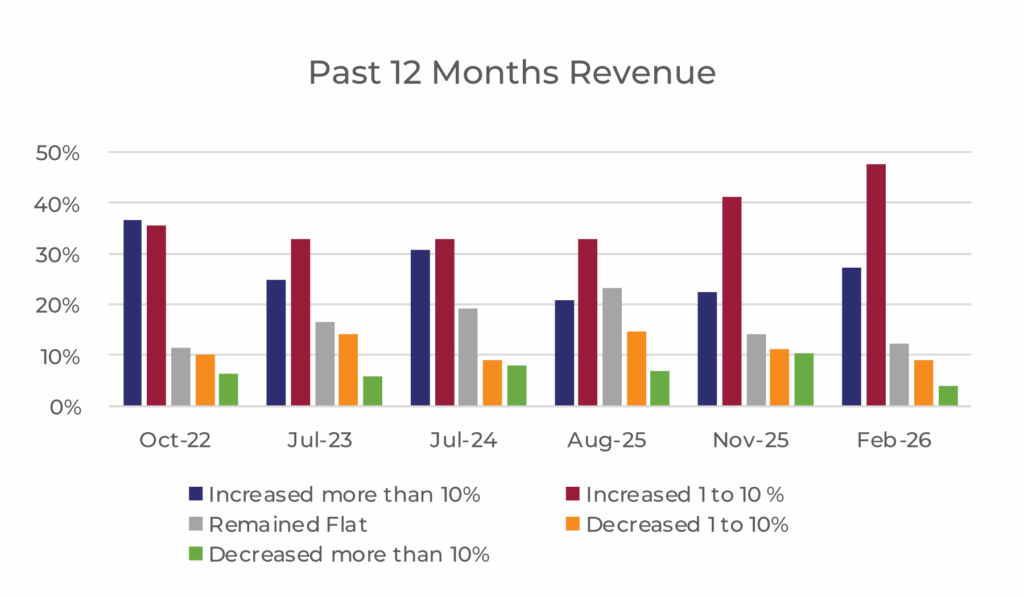
Overall, about 74% of ministry executives have seen revenue increase over the last 12 months.
About 27% reported an increase of at least 10% or more in revenue — up from November 2025. Additionally, 47% said the ministry’s revenue increased by between 1-10% compared with 41% in November.
Just 12% of survey respondents said their revenue remained flat during the past year.
About 13% of ministry executives told MinistryWatch their revenue had fallen during the last 12 months, down from 21% who gave those responses in November.
As is evident in the graph trends, increasing revenue has been reported more regularly than decreasing revenue.
Significant Challenges in Ministry
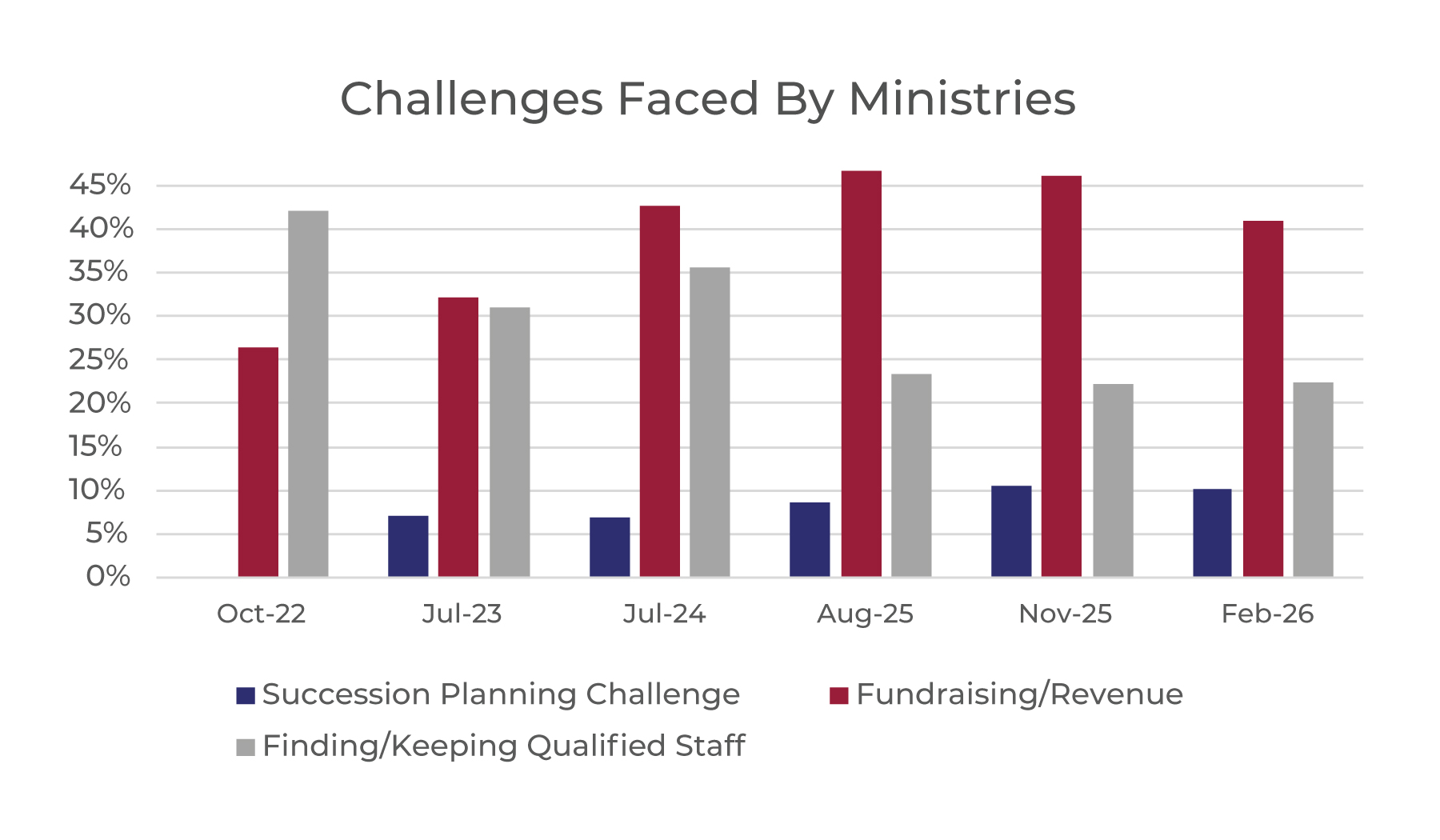
Despite their optimism about revenue growth over the next 12 months, ministry executives cite fundraising as the primary challenge in leading their ministries. About 41% of ministry executives cited fundraising as their biggest challenge, down from 46% in November’s survey.
For the first few months of the survey, finding and keeping qualified staff was a persistently challenging situation faced by ministry leaders. While it remains a challenge cited by about 22% of respondents in this quarter’s survey, it is down 20% from when the survey began.
Operational and logistical issues was the third ranking response, with about 12% of participants citing it as their primary challenge, compared with about 9% in November.
Succession planning is another primary challenge, listed by 10% of respondents in this quarter’s survey. One respondent gave a positive report: “I will be retiring August 1st. My successor has been on site for 13 months and the transition has been wonderful for both of us.”
Respondents are given the opportunity to include additional comments about their challenges. One pointed to volunteer commitment as a challenge, and another pointed to “shifting to a rapidly changing media environment.”
Over 82% of ministries said they have not been subject to a cyberattack or financial fraud over the last year, even though cryptocurrency, AI, and phishing scams seem to be increasingly targeting churches.
The vast majority — about 74% — of ministry leaders said they engage in formal goal-setting either annually or every two years.
Nondisclosure Agreements (NDAs)
MinistryWatch once again asked ministry leaders about their use of the nondisclosure agreements as part of their operations. While NDAs may be used to protect confidential information about how a ministry operates, at other times they are used to prevent persons from discussing the terms of a settlement agreement. NDAs are binding, and violations can result in a lawsuit.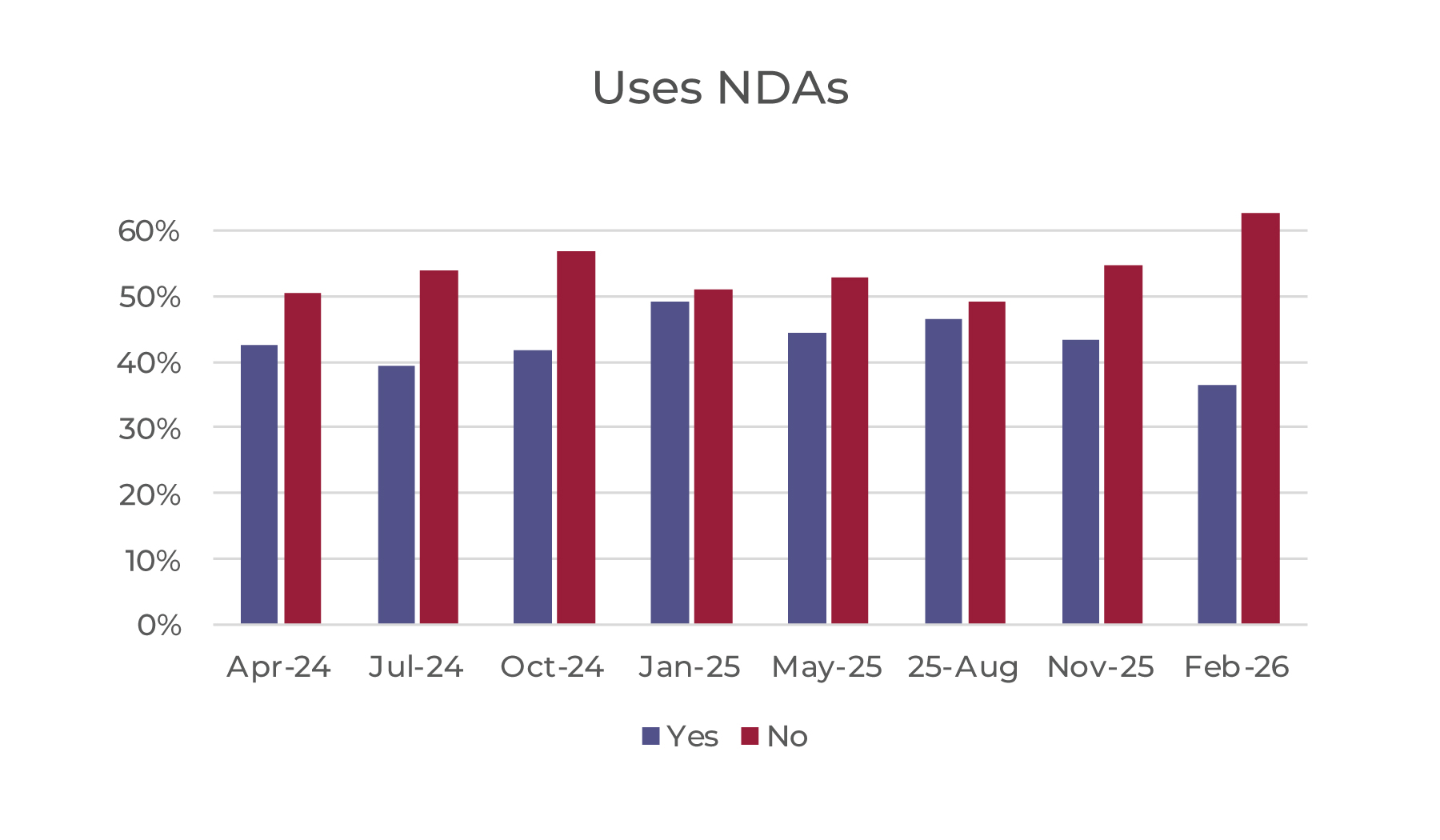
The movement to make NDAs unenforceable, especially when it comes to sexual abuse survivors, has been growing. Both Texas and Missouri passed laws this year to void nondisclosure agreements in certain sexual abuse cases, and now Texas Senator Ted Cruz has proposed similar federal legislation.
The number of ministries saying they use NDAs has vacillated as low as 39% in July 2024 to over 46% in August 2025. In this quarter’s survey, 36% of ministries say they use NDAs.
When asked to elaborate on why they use NDAs, 62% of leaders said they are used for protection of proprietary information, up from 57% in the last survey.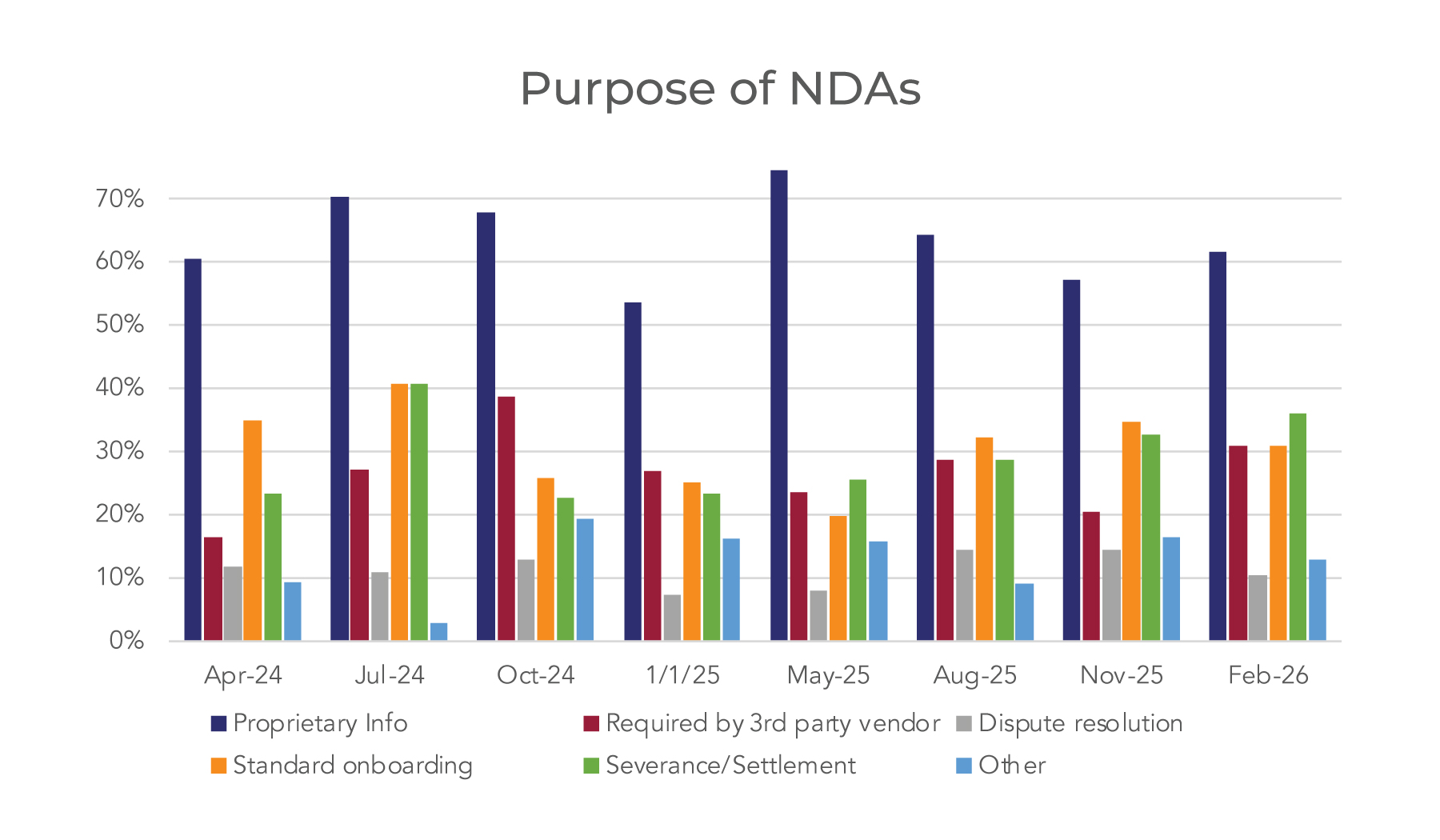
Other purposes include using NDAs as part of a severance agreement(31%), as required by third party vendors (31%), and as part of standard onboarding (31%).
Some respondents chose to elaborate, telling us they use an NDA only “in cases of hostile behavior, which have been very rare.”
Demographics of Leaders
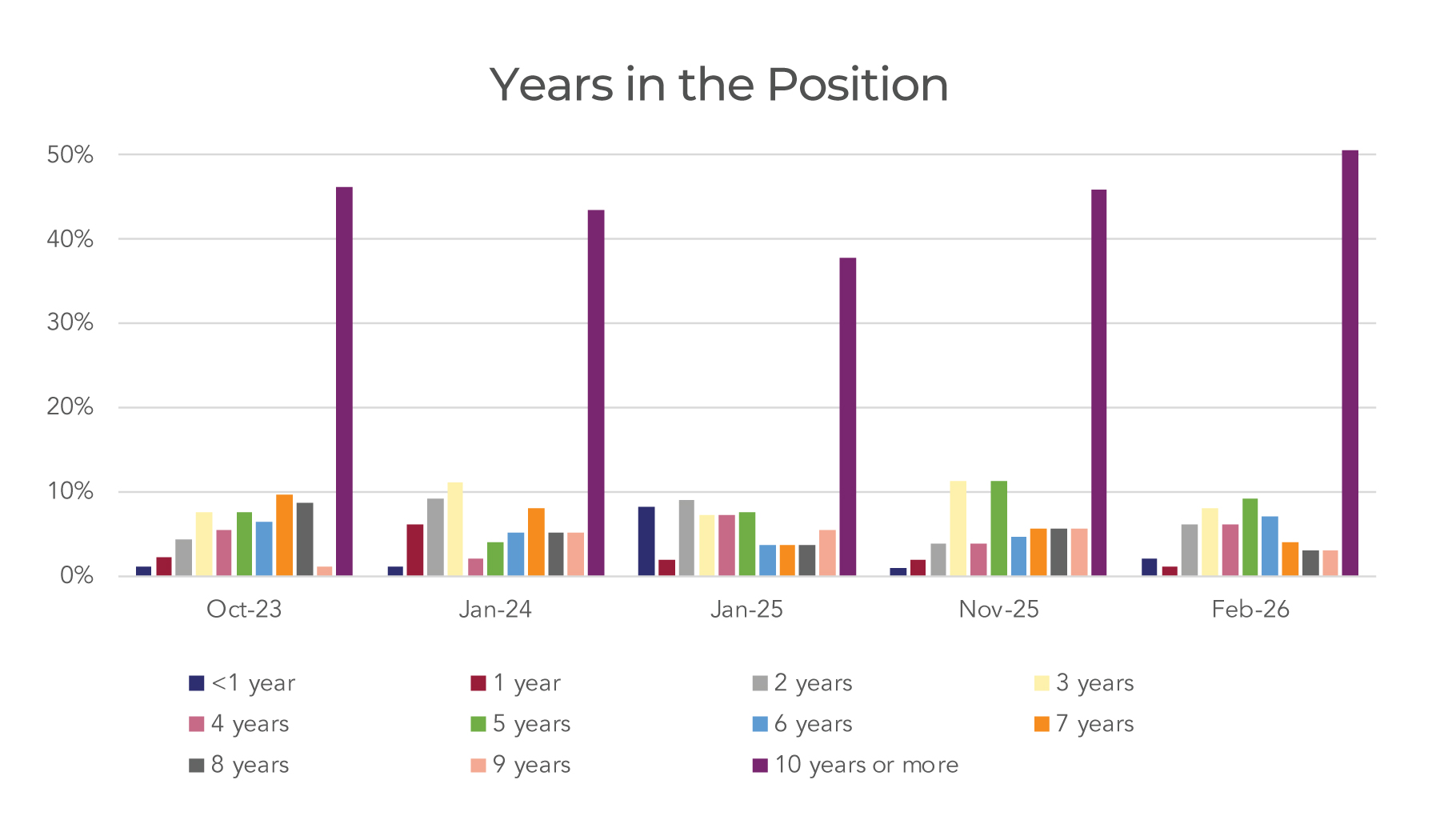 As is evident in the graph, the number of leaders who have been in their positions for 10 years or more remains the largest portion of respondents at 51%.
At the opposite end of the spectrum, 33% of survey respondents said they’ve been in their ministry leadership position for five years or less, up from 28% when the survey began. That may indicate turnover at the top leadership positions where older leaders are retiring.
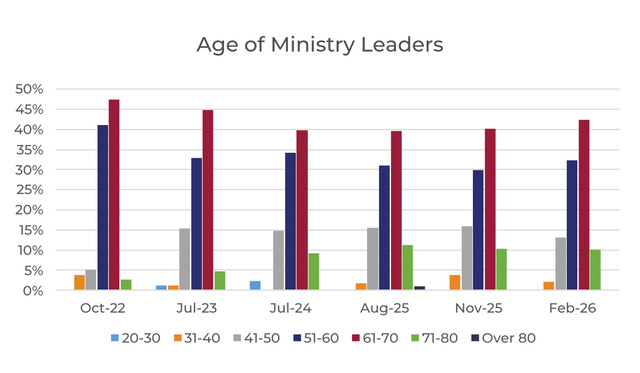 A related category is the aging of ministry leaders, which is a likely explanation for why the number of leaders on the job for five years or less is growing. The number of leaders ages 50 and under included 15% of respondents, up from 9% when the survey began. Still, 74% of leaders are over 50 and 52% of those are over age 60.
It is encouraging to see that at least 88% of ministry leaders attend church most Sundays, and 30% of those have some kind of leadership role in their local church.
Of those who respond to our survey, Christian ministry leadership posts are dominated by males (86%). Just about 14% of respondents are women. Those numbers have not changed significantly over the course of the survey.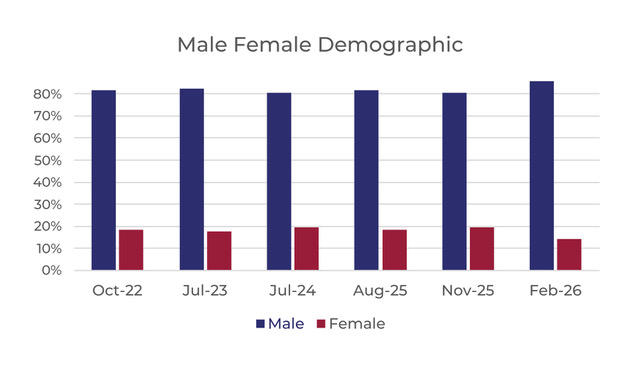
TO OUR READERS: The mission of MinistryWatch is to help Christian donors become more faithful stewards of the resources God has entrusted to them. Do you know of a story that will help us fulfill our mission, or do you want to give us feedback about this or any other story? If so, please email us at [email protected].
Related posts:
![Christian Ministry Leaders Acknowledge Financial Fraud and CyberAttacks]()
Christian Ministry Leaders Acknowledge Financial Fraud and CyberAttacks
![Christian Ministry Leaders Remain Optimistic About Revenue, Still Call it Their Biggest Challenge]()
Christian Ministry Leaders Remain Optimistic About Revenue, Still Call it Their Biggest Challenge
![Christian Ministry Executives Optimistic about Increased Revenue in Next 12 Months]()
Christian Ministry Executives Optimistic about Increased Revenue in Next 12 Months
![Over Half of Christian Ministry Leaders are Over Age 60]()
Over Half of Christian Ministry Leaders are Over Age 60
![On This Date: Televangelist Jimmy Swaggart Died at 90]()
On This Date: Televangelist Jimmy Swaggart Died at 90